Rwanda safari travel guide
This Rwanda safari travel guide shares practical advice from our Kigali team on visas, seasons, gorilla permits, money and what to pack.
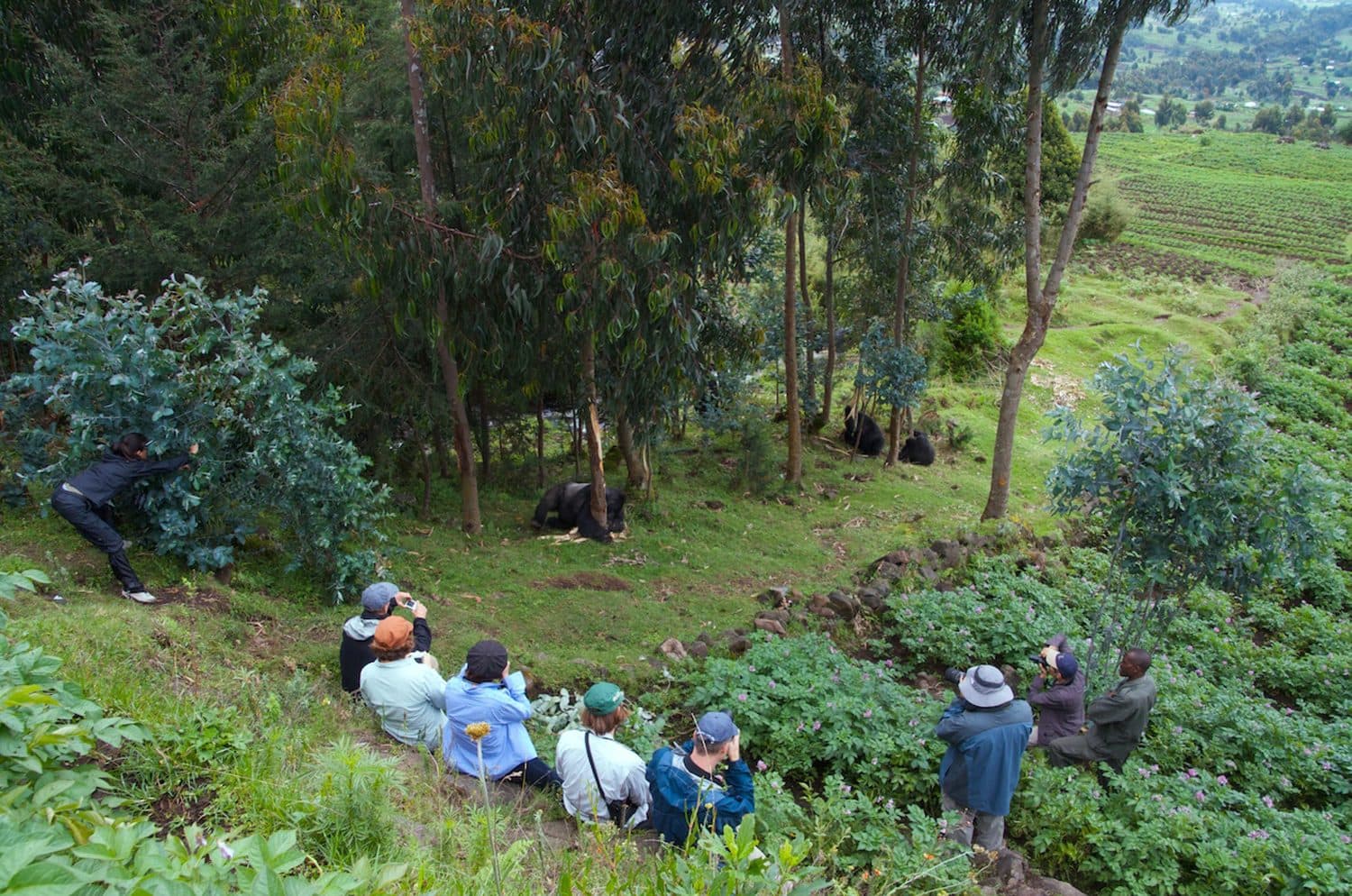 Planning15 min readHow Much Does a Rwanda Safari Cost? Prices by Budget, Days and Group Size
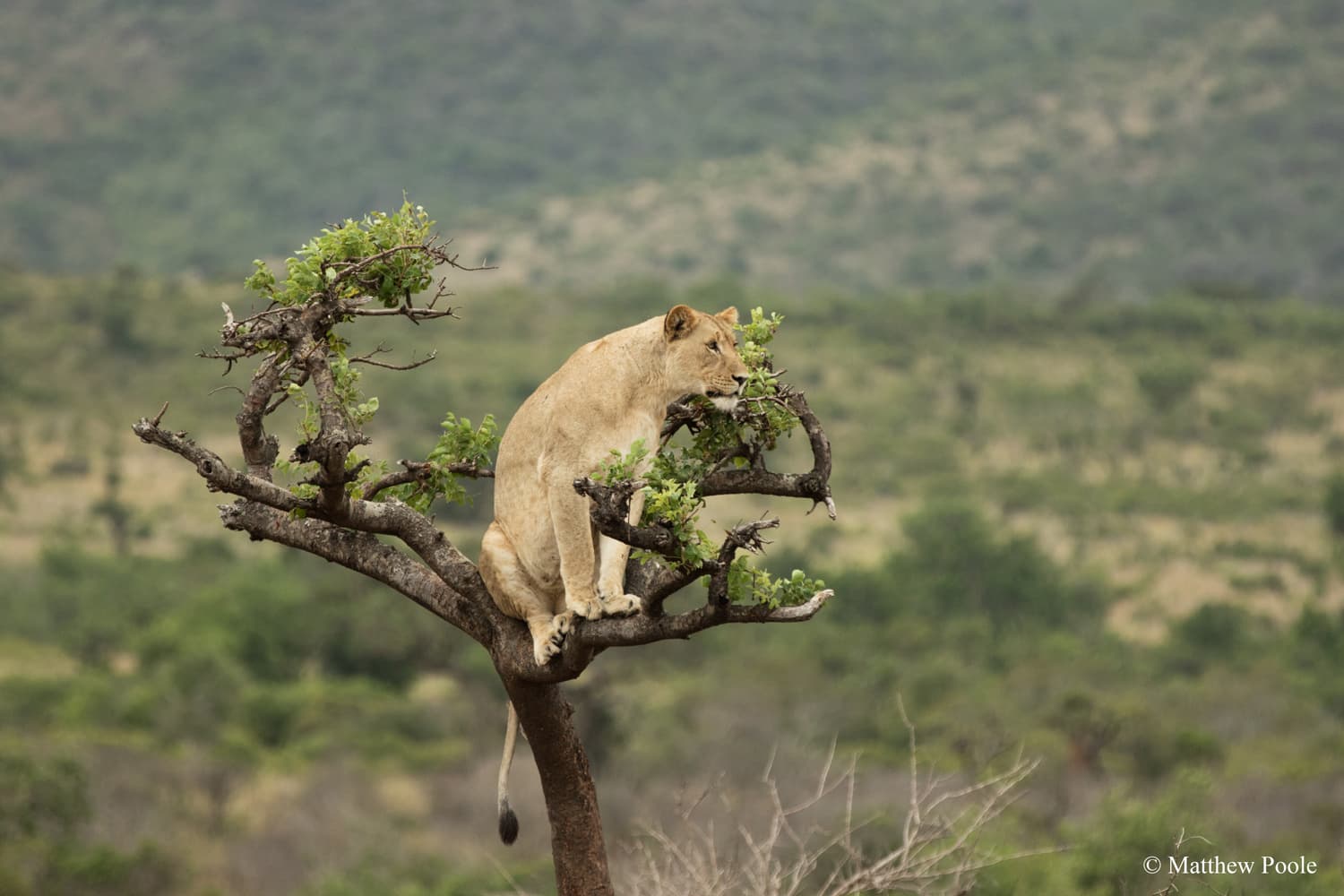 Planning13 min readAkagera National Park Entrance Fee for Every Visitor in 2026
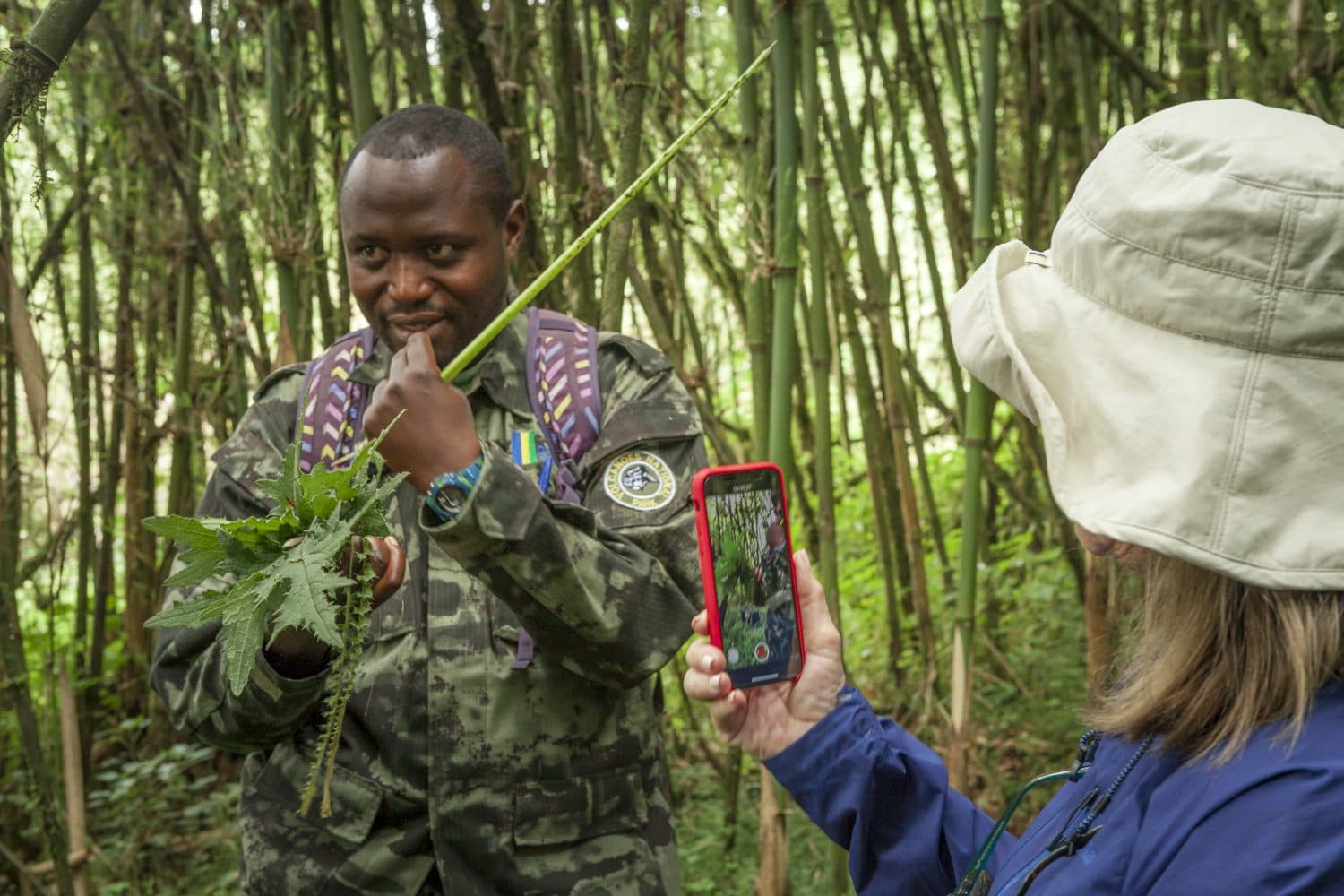 Planning9 min readIs a Rwanda Safari Safe? What to Know Before You Travel in 2026
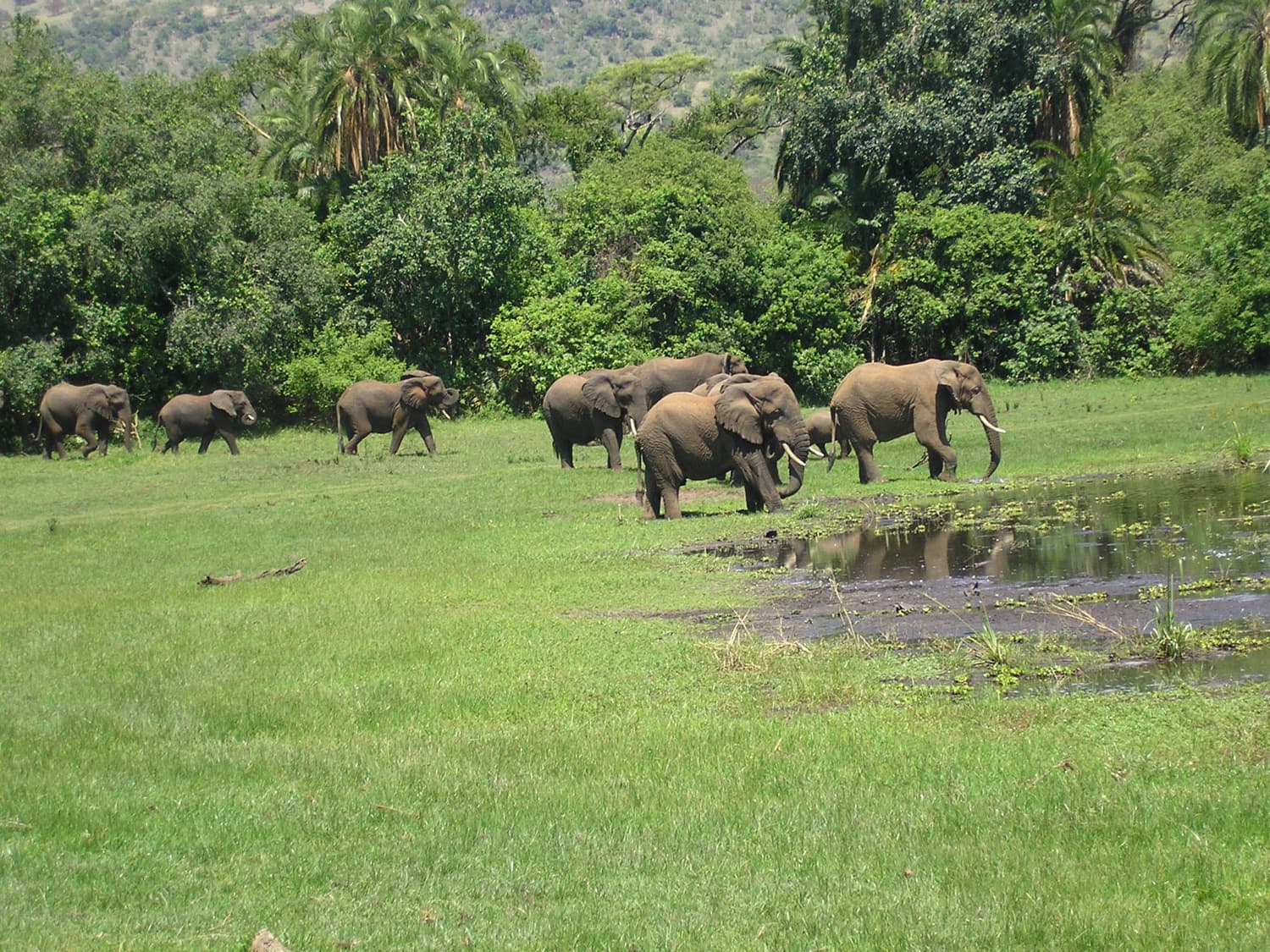 Planning9 min readRwanda Safari Animals: What You Will See and Where to Find Them
Rwanda at a glance
- Visa
- On arrival or online, $50 for most nationalities
- Currency
- Rwandan franc (RWF). US dollars widely accepted
- Languages
- Kinyarwanda, English, French, Swahili
- Time zone
- CAT, UTC+2, no daylight saving
- Power
- 230 V, plug types C and J
- Health
- Yellow fever certificate if arriving from a risk country
Practical advice for travelling in Rwanda
Rwanda is a straightforward country for a first safari: most nationalities get a visa on arrival or online, Kigali has a modern international airport and the parks are a few hours apart by road.
The guides above cover single topics in depth. This section brings the basics together in one place, from entry rules to packing.
Visas and entry rules
Most visitors can get a 30 day tourist visa on arrival or apply online in advance, for $50. Citizens of many African, Commonwealth and other countries enter visa-free.
The East Africa Tourist Visa costs $100, lasts 90 days and covers Rwanda, Uganda and Kenya, which suits trips that add Bwindi or the Masai Mara. The Rwanda visa guide lists what to bring.
Flights and getting around
International flights land at Kigali International Airport, 20 minutes from the city centre, with RwandAir and other airlines flying in from Europe, the Middle East and across Africa.
Between the parks, travel is by road in a 4×4 with a driver-guide. Volcanoes and Akagera are 2.5 hours from Kigali, Lake Kivu 3 hours and Nyungwe about 5 hours. Self-driving is possible, but a guide handles park rules, permits and directions.
Money and costs
The currency is the Rwandan franc (RWF), and US dollars are widely accepted for tours, permits and lodges. Cards work in Kigali hotels and larger restaurants, so carry cash for markets and rural areas.
The biggest fixed costs are permits: $1,500 for gorillas, $150 for chimps and $100 per day for Akagera. The safari cost guide shows where the rest of the budget goes.
Health and vaccinations
A yellow fever certificate is needed if you arrive from a country with yellow fever risk. Health authorities advise malaria prevention for travellers to Rwanda, including Volcanoes National Park, so see a travel clinic about six weeks before you go.
Gorillas catch human illnesses, so rangers can refuse anyone with a cold, flu or other contagious illness on the day of the trek.
Safety and local rules
Rwanda is one of the safest countries in Africa, with clean, orderly cities and well-run parks. Plastic carry bags have been banned since 2008, and bags found in luggage at the airport are taken away.
Umuganda, the national community work morning, runs from 8:00 to 11:00 on the last Saturday of each month, so plan road travel for after 11:00 that day.
Seasons and when to go
Rwanda has two dry seasons. The long dry season runs from June to September and the short one from December to February, with rain in the months between.
Gorilla trekking runs all year, and the rainy months bring greener hills and easier permit availability. The month by month guide covers each season.
Gorilla permits and booking ahead
Book the gorilla permit before anything else, because only 96 permits a day cover the whole country. For June to September and December, book 4 to 6 months ahead. We secure permits as soon as your trip is confirmed, and the gorilla permit guide explains the rules.
What to pack
Pack for both heat and cold. Kigali and Akagera are warm, while Volcanoes and Nyungwe sit between 1,600 and 4,500 m and can be cold and wet, especially early in the morning.
For trekking, bring waterproof hiking boots, a rain jacket, long trousers, a long-sleeved top and garden gloves for nettles and branches. Binoculars help in Akagera and Nyungwe, and a light fleece is useful on early starts.
Language, time zone and power
Kinyarwanda, English, French and Swahili are all official languages, and English is widely spoken in tourism. Rwanda runs on Central Africa Time (UTC+2) with no daylight saving, and power is 230 V with plug types C and J.
Food, water and insurance
Drink bottled or filtered water rather than tap water, and carry a refillable bottle for long drives and treks.
Travel insurance with medical evacuation cover is worth having, because the parks are several hours from Kigali’s hospitals and gorilla treks cross steep ground.
Travelling with children
Rwanda suits families with some planning. Gorilla and chimp treks need travellers aged 15 or older, golden monkey treks 12, and Akagera has no minimum age for game drives or boat trips, so younger children usually spend the trekking day at the lodge or on another activity.
Combining Rwanda with its neighbours
Uganda, Tanzania and Kenya are easy to add. The Bwindi gorilla trip crosses into Uganda by road, the Serengeti safari starts with a flight to Kilimanjaro International Airport, and the Masai Mara safari starts in Nairobi.
Guides, vehicles and languages
Most visitors travel with a licensed tour operator, which books the permits, lodges and transport. On our trips you have your own pop-top 4×4 and a driver-guide who speaks English, French or German and stays with you for the whole journey.
Events worth planning around
Kwita Izina, the annual gorilla naming ceremony, takes place in Kinigi near Volcanoes National Park, usually in September.
Kwibuka, the national week of remembrance for the 1994 genocide against the Tutsi, starts on 7 April. Hotels, shops and tours carry on, but public entertainment pauses and the mood is quiet, so it is a respectful time to visit the memorials.
Planning a route with a local
A good first route starts with the parks you care about most and adds Kigali and Lake Kivu around them. The 7 day itinerary shows one way to fit gorillas, chimps and the Big Five into a week, and the trip planner turns your dates into a priced plan.
Rwanda trip planning help from a local
Tell us your dates and dreams. A Kigali-based planner replies within the hour, with a first itinerary within 24 hours, free and without obligation.