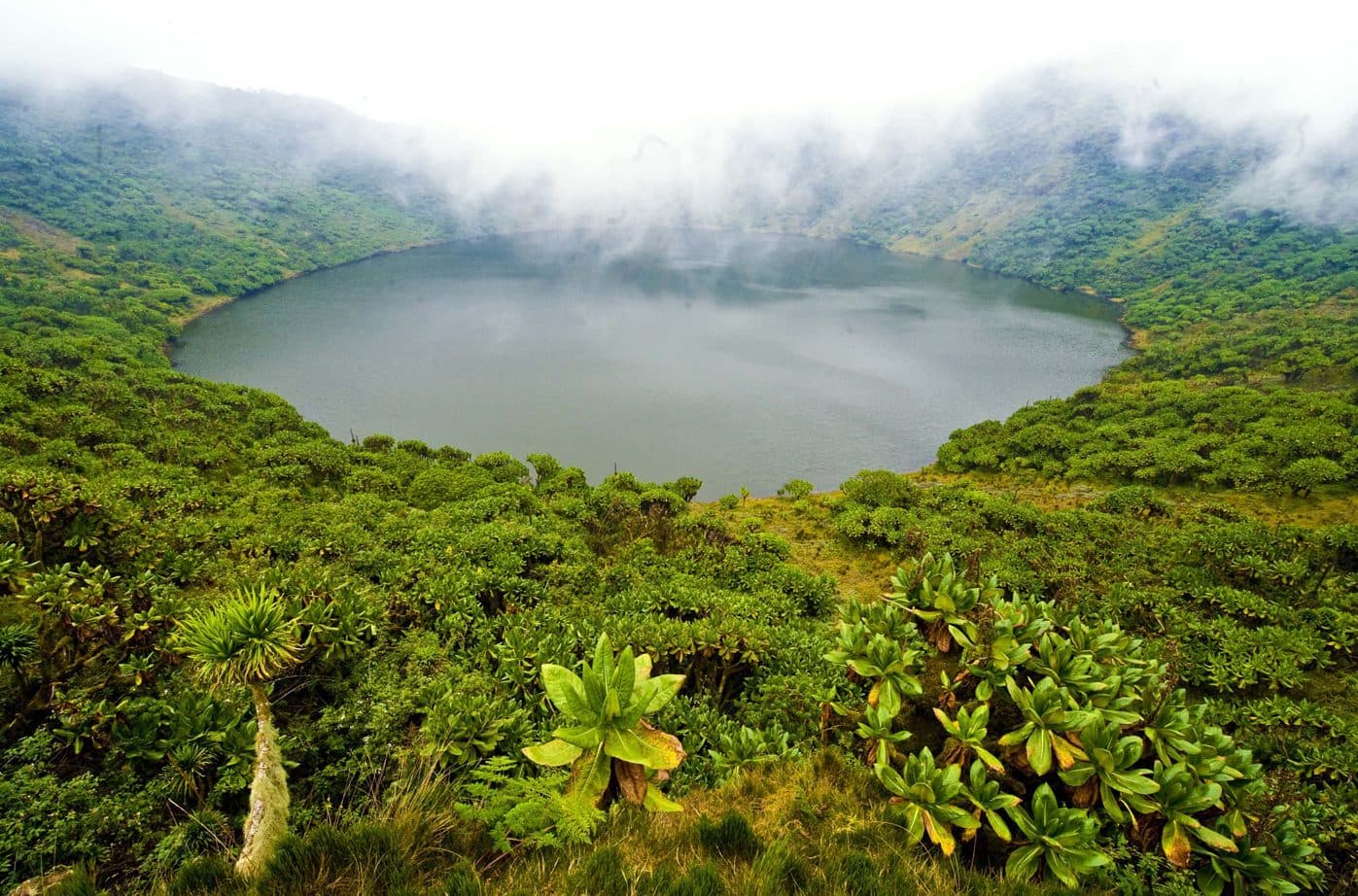
Rwanda Gorilla Permit Cost for Foreigners, Residents and Citizens
Rwanda Safaris team · KigaliUpdated 3 Nov 2026 · 13 min read
For most people the gorilla trek is the reason for a Rwanda safari. A Rwanda gorilla permit costs USD 1,500 per person if you are a foreign visitor, and it buys one trek and one hour with a habituated gorilla family in Volcanoes National Park. Foreign residents and African citizens or residents pay USD 500, and Rwandan and East African citizens pay USD 200, although RDB says those reduced rates are not valid from June to October 2026. You can buy the permit yourself from the Rwanda Development Board (RDB) or let a licensed operator handle it. Below you will find which price applies to you, how far ahead to book, the low season discount and what happens if your plans change.
A Rwanda Gorilla Permit Costs USD 1,500 for Foreign Visitors
The standard RDB rate for a foreign visitor is USD 1,500 per person per trek. The price is the same in every month, except for the low season discount from November to May. It is also the same with every operator, because RDB sets it and no one can sell it cheaper.
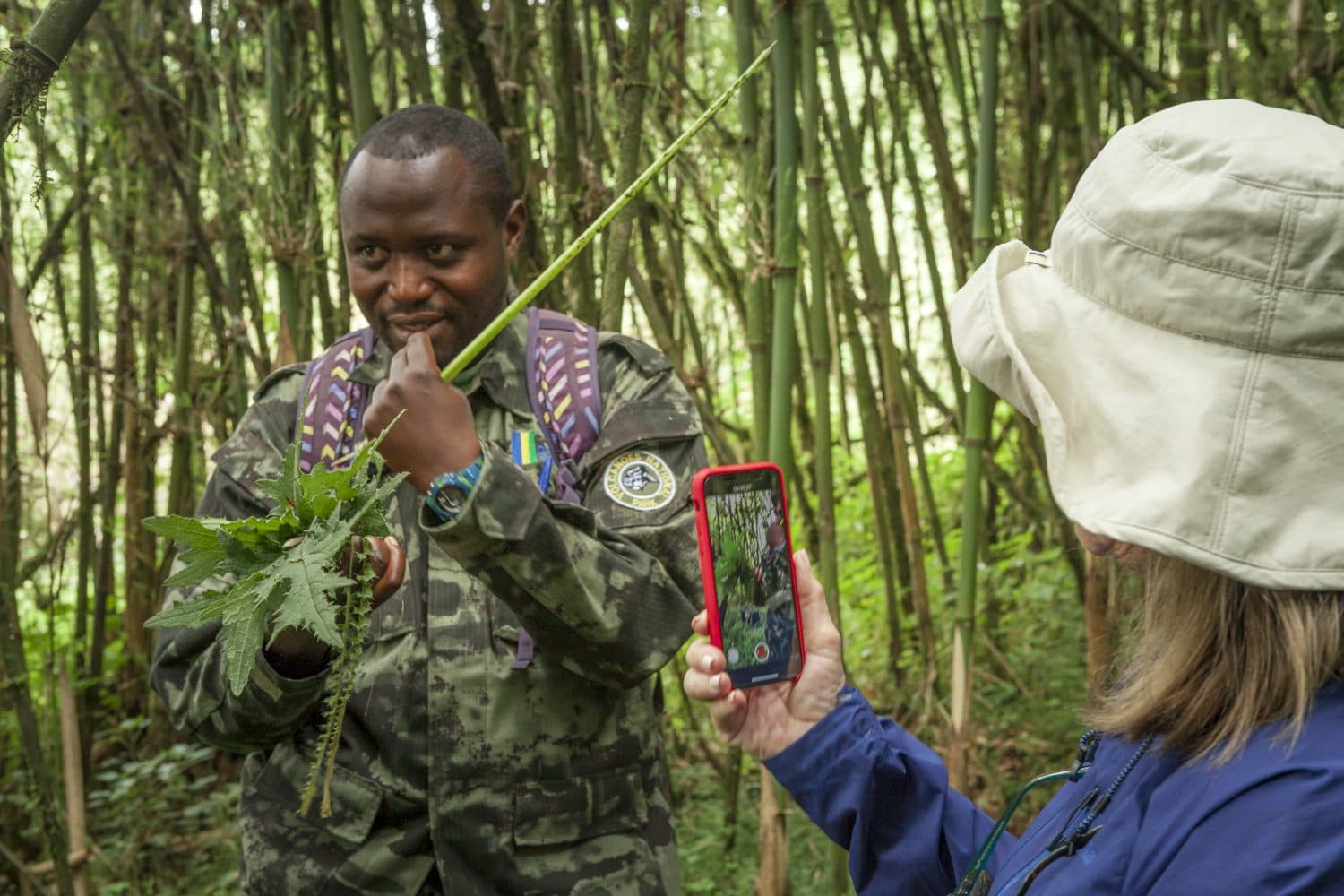
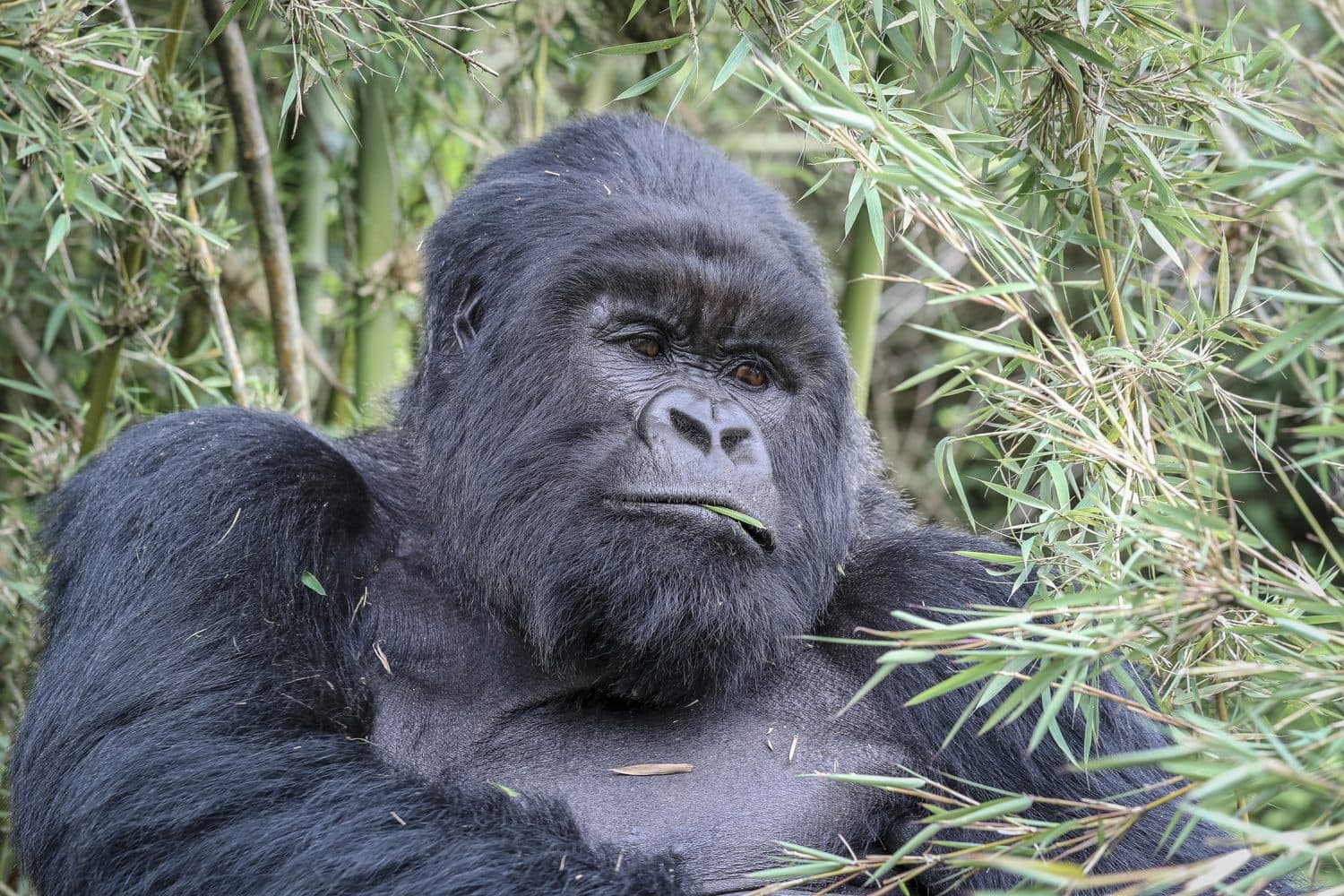
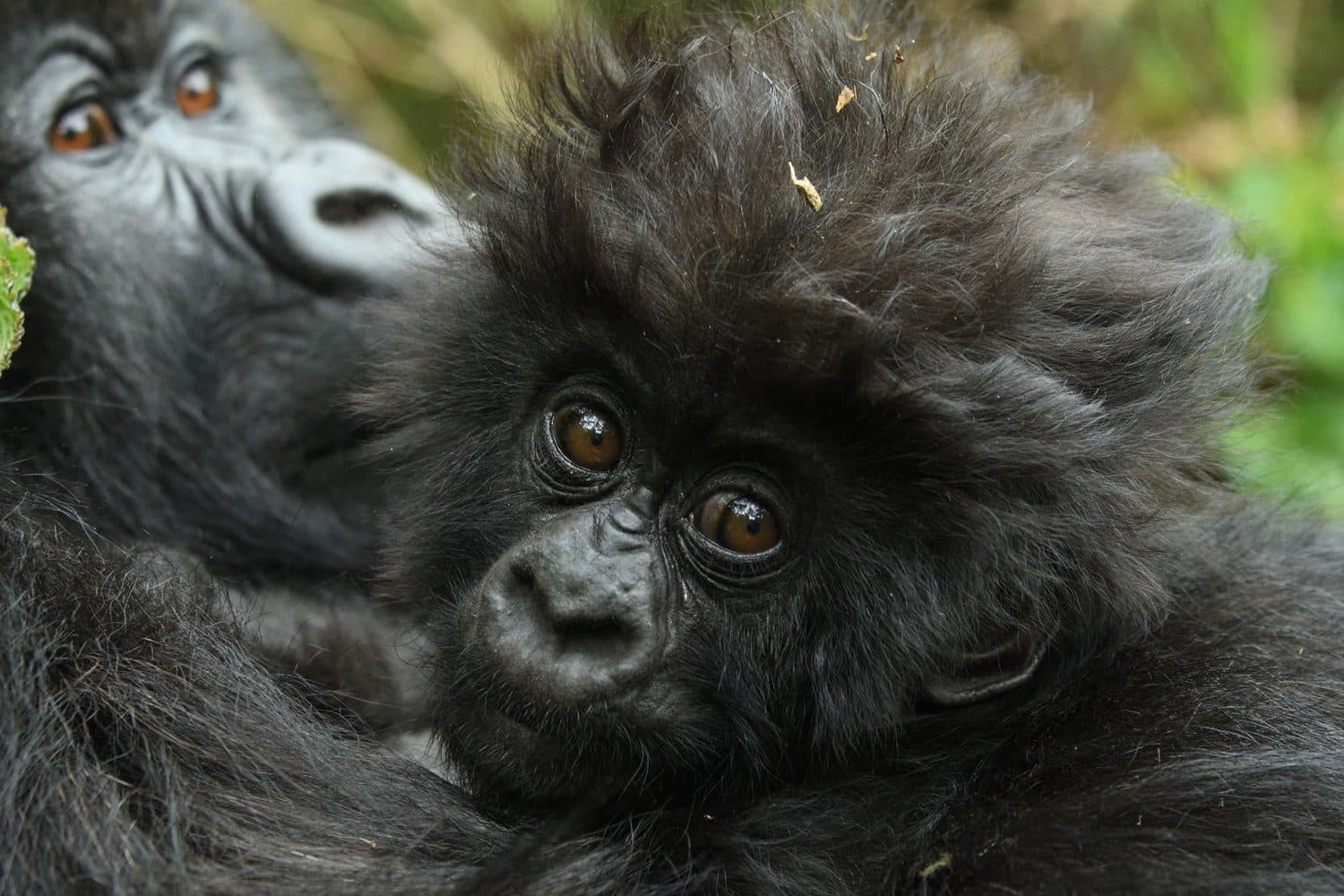
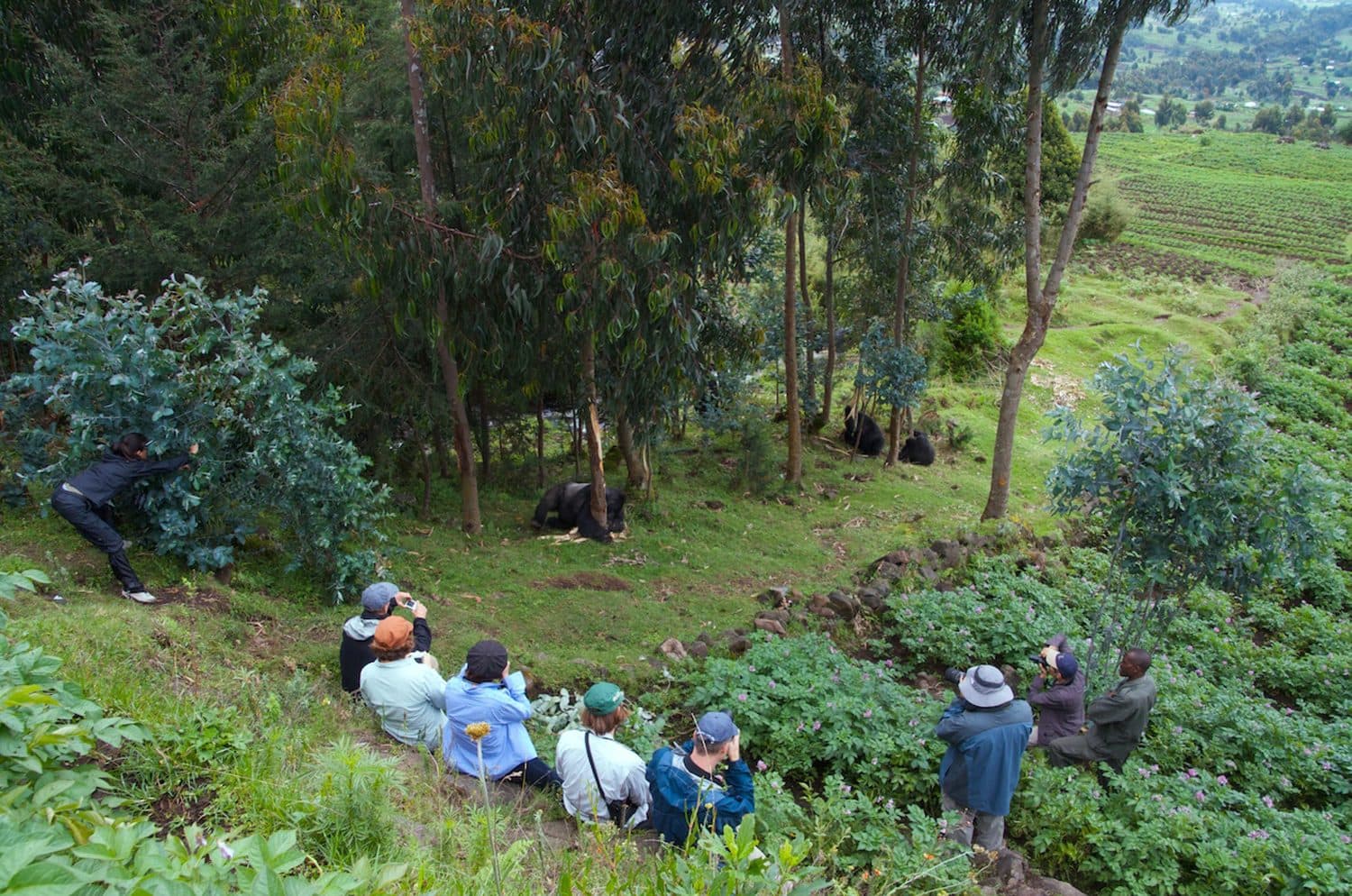
The permit pays for a guided trek with RDB rangers and trackers and one hour with a habituated gorilla family. RDB issues 96 permits a day across 12 families in Volcanoes National Park, with no more than 8 visitors per family. That small number is the reason the price is high and the reason permits sell out.
Part of the fee goes back to the villages around the park. Rwanda's tourism revenue sharing scheme gives 10% of national park revenue to nearby communities, under a scheme that has run at that level since 2017. The fee also funds the ranger teams who track each family every day.
A few costs sit outside the permit and are worth budgeting for separately. None of them is hard to arrange, and our gorilla trekking page shows how they fit into the day.
- Transport from Kigali or your lodge to Kinigi park headquarters
- A porter, hired and paid at the park on the day
- Your lodge near the park, usually for one or two nights
- Tips for rangers, trackers and porters
- Travel insurance and your visa
Your Gorilla Permit Price Depends on Your Visitor Category
RDB sets five visitor categories, and the one you fall into depends on your citizenship and where you live. Foreign visitors pay the full rate in every month. The other four categories pay promotional rates, and RDB says those rates are not valid from June to October 2026.
RDB checks documents at the park gate, not only when you pay. A permit bought in the wrong category, or with an expired ID or visa, means you are refused entry even though the permit was paid. If you are unsure which category fits you, email your documents to the RDB reservation office at reservation@rwandatourism.com before you buy.
| Visitor category | Fee | Proof at the gate | Valid months |
|---|---|---|---|
| Foreigner | USD 1,500 | Passport | All year |
| Foreign resident in Rwanda | USD 500 | Residence permit or work permit, at least 4 months | Not June to October 2026 |
| African citizen or foreign resident in Africa | USD 500 | African passport, or residence proof for your country | Not June to October 2026 |
| East African citizen | USD 200 | EAC ID card or passport | Not June to October 2026 |
| Rwandan citizen | USD 200 | Rwandan ID | Not June to October 2026 |
Foreign Tourists Pay the Full USD 1,500
You pay USD 1,500 if you are flying in from Europe, North America, Australia or Asia on a tourist visa. Your full name and passport number go on the permit, and they must match the passport you show at Kinigi. From November to May you can cut the price to USD 1,050 with the low season discount below.
Foreign Residents in Rwanda Pay USD 500 Outside June to October 2026
Foreign nationals living in Rwanda pay USD 500 if they hold at least four consecutive months of residency or a work permit in their passport or diplomatic card. Diplomats with a residence visa can use the resident rate for their spouse and children. The rate does not apply from June to October 2026, when residents pay the full fee.
African Citizens and Residents Elsewhere in Africa Pay USD 500
Citizens of any African country pay USD 500, and so do foreign nationals who live elsewhere in Africa. A British expatriate living in Nairobi, for example, falls into this category with proof of residence in Kenya. The same June to October 2026 exclusion applies.
Rwandan and East African Community Citizens Pay USD 200
Rwandan citizens and citizens of the East African Community pay USD 200, and East Africans show an EAC ID card or passport. A visitor with one Rwandan parent or a Rwandan spouse counts as Rwandan once the Immigration Director General confirms it. Rwandan nationals pay the full amount at the time of booking, and a gorilla trekking day trip from Kigali suits a short visit.
Gorilla Permits Are Bought on the RDB Portal or Through a Licensed Operator
If your transport and lodge are already sorted, the RDB booking portal is the direct route. If you would rather have the permit, the drive and the lodge handled as one booking, a licensed tour operator buys the permit for you at the same price.
Booking a Gorilla Permit Yourself on the RDB Portal
The official site is visitrwandabookings.rdb.rw, run by RDB. Which booking site is the genuine one is a common question on Rwanda forums, so check the address before you pay. Bookings are first come, first served, and the permit is issued as soon as payment clears.
- Choose Mountain Gorilla Tracking and pick an open date.
- Enter each trekker's name, passport number, email and phone.
- Upload any proof needed for a resident or citizen rate.
- Pay the full fee online. Cash payment at the park is not accepted.
- Save the permit and bring it with your passport to Kinigi by 7:00.
Booking a Gorilla Permit Through Rwanda Safaris
Every gorilla tour we sell includes the permit in the price. A 30% deposit confirms your trip, and we buy the permit with your passport details the same day. We then book the lodge and the driver guide, so the permit, the room and the drive all match the same dates.
Booking through us also solves the transport problem. The permit does not include the drive to Kinigi, a point independent trekkers raise often on travel forums, and some leave Kigali at 4:00 to make the 7:00 briefing. Our 3 day gorilla trekking tour puts you in a lodge near the park the night before, and you can ask a planner to check dates.
 Recommended tour3 day gorilla trekking Rwanda tour with your permit secured · 3 daysFrom $1,890 pp
Peak Month Gorilla Permits Sell Out 4 to 6 Months Ahead
June to September and December are the months to plan furthest ahead, ideally 4 to 6 months before your trek. For March to May and November, a few weeks is often enough. With only 96 permits a day, dry season dates go first. Groups who need several permits on the same day should book earliest.
Peak months match the long dry season and the summer holidays in Europe and North America. Kwita Izina, the gorilla naming ceremony in Kinigi, usually falls in September and fills lodges near the park the same week. Our best time to visit Rwanda guide shows how each month compares.
Leave a spare day between your flight and your trek. If you reach Kinigi after the briefing, the permit is lost with no refund, and a late flight does not count as an excuse. A night in Kigali or near the park before the trek takes that risk away.
The Low Season Discount Takes 30% Off a Gorilla Permit From November to May
From November to May, foreign visitors pay USD 1,050 instead of USD 1,500 if they also stay in Akagera or Nyungwe. RDB calls this the low season discount, and it does not apply from June to October. It is the largest saving available on a Rwanda gorilla permit.
The rules are set by RDB. Each qualifying stay earns one discounted permit, so a second gorilla trek needs another qualifying stay. RDB processes the discount in one working day.
Past visitors who claimed the discount describe the process on review forums. You send proof of the paid lodge booking and the paid activity, RDB checks it, and you then receive a link or code to pay the reduced fee. Apply early, because the discount is processed separately from the standard booking.
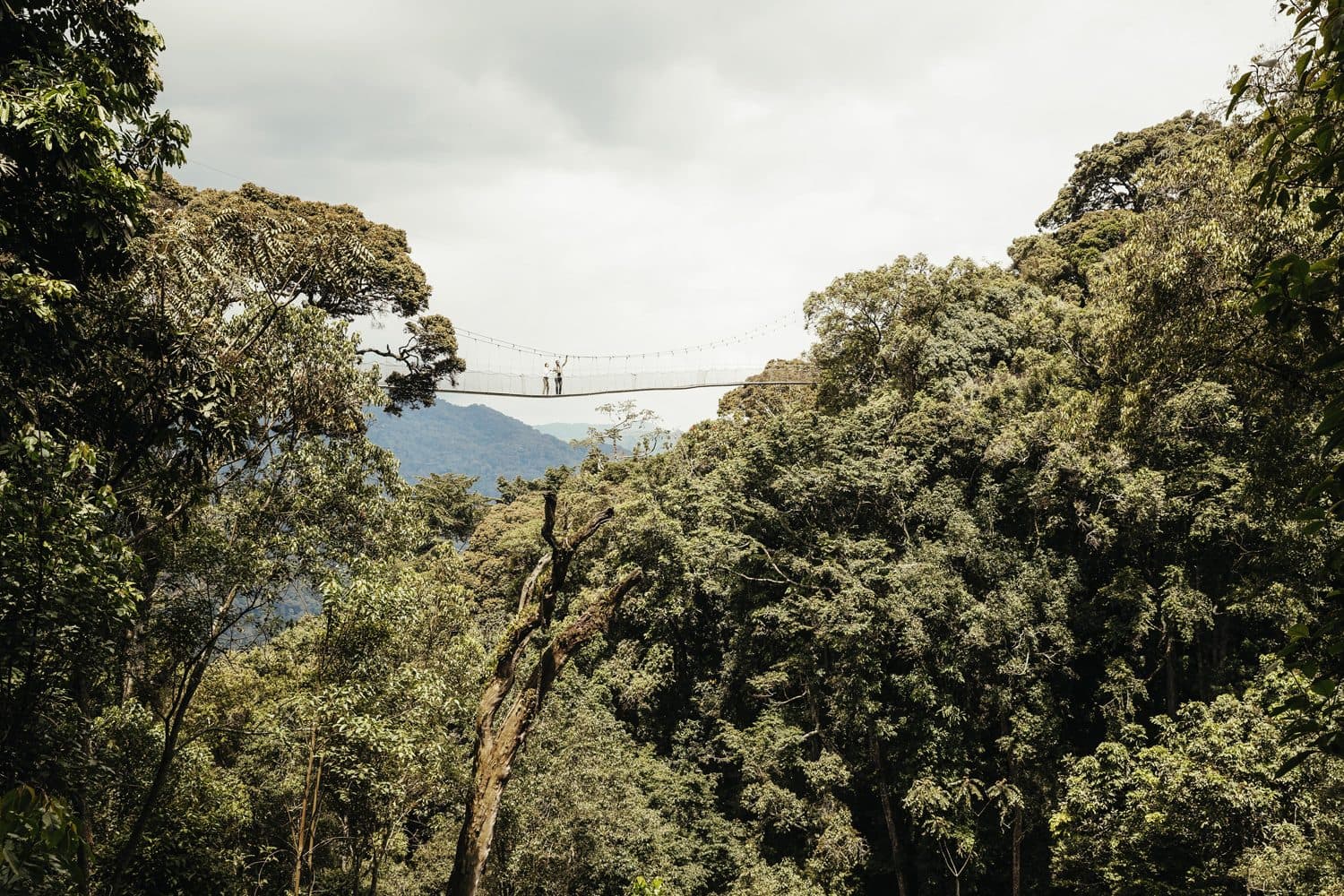
Our 5 day gorilla and chimpanzee safari and 7 day Rwanda safari both include two nights in Nyungwe with chimpanzee tracking. That is the kind of stay the discount asks for. Ask your planner to check the discount when your dates fall between November and May.
- Two nights in Akagera National Park or Nyungwe Forest, with a paid hotel receipt and one paid activity.
- Or one night in Akagera and one night in Nyungwe, back to back, with the activity.
- One discounted permit per person for each 3 day, 2 night stay.
Gorilla Permit Refunds Are Limited and Date Changes Need 7 Days Notice
RDB gives no refund for a cancellation, late arrival or a flight delay, but it does let you move your date. A date change made more than 7 days ahead is approved automatically, and a change within 7 days needs RDB approval. Each change costs a processing fee of 20% of the permit fee and takes about one day.
RDB treats a no show as an expired permit. If something you could not control stopped you trekking, RDB can reschedule an expired permit at its discretion when you send documentary evidence, and that decision is final. Travel insurance that covers prepaid activities is worth checking before you buy.
There are two cases where RDB does refund. If you track all day and do not reach the family, RDB refunds 75% of the fee. If the family's movement stops the trek, you get another chance or a full refund.
| Situation | What RDB does |
|---|---|
| You cancel | No refund |
| You arrive after the 7:00 briefing | No refund |
| Your flight is delayed | No refund |
| You move the date more than 7 days ahead | Approved automatically, 20% fee |
| You move the date within 7 days | Needs RDB approval, 20% fee |
| You miss the trek for reasons you could not control | Possible reschedule with evidence, at RDB's discretion |
| You track all day without reaching the family | 75% refund |
| The family's movement stops the trek | Another chance or a full refund |
| You are sick with a cold or flu | Park entry can be refused |
Combining Rwanda With Uganda Lowers the Cost per Gorilla Trek
A Uganda Wildlife Authority (UWA) gorilla permit for Bwindi or Mgahinga costs USD 800 for foreign non-residents, so a second trek in Uganda costs less than a second trek in Rwanda. UWA also sells a low season permit at USD 600 in April, May and November, and those permits cannot be rescheduled. The trade off is a longer drive from Kigali than the trip to Kinigi.
UWA rules differ from RDB rules. Foreign non-residents must buy through a licensed Ugandan tour operator, payment is due in full at booking, and no payments are taken at the park. The gorilla habituation experience, a longer visit with a family still getting used to people, is listed at USD 1,800 from 1 January 2027.
The East Africa Tourist Visa makes the trip simple. It costs USD 100 and covers Rwanda, Uganda and Kenya for 90 days. Our 3 day Uganda and Rwanda safari shows how the two countries fit together.
| Permit | Rwanda (RDB) | Uganda (UWA) |
|---|---|---|
| Foreign visitor | USD 1,500 | USD 800 |
| Low season price | USD 1,050, November to May, with conditions | USD 600, April, May and November |
| Foreign resident | USD 500 | USD 700 from 1 January 2027 |
| How foreign visitors buy | RDB portal or an operator | Licensed Ugandan operator only |
Gorilla Trekking Day Starts at Kinigi Park Headquarters at 7:00
Bring the permit and the passport whose number is on it to the Kinigi park headquarters for the 7:00 briefing. Rangers there assign your group of up to 8 to a gorilla family, tell you about the family you will visit and go through the rules for your hour with them.
Reaching Kinigi From Kigali on Trek Day
Kinigi is about 2.5 hours from Kigali by road, so a same day trip means leaving at about 4:00. Most travellers sleep near the park the night before and leave the lodge after breakfast. The gorilla trekking day trip and the 3 day gorilla trekking tour cover both options.
The Trek Lasts 1 to 5 Hours at 2,500 to 3,000 m
The walk to the family takes 1 to 5 hours on steep, muddy slopes at 2,500 to 3,000 m. Tell the rangers at the briefing if you have knee, back or fitness worries, so they can match you to a closer family. February trekkers have written about mud deep enough to make gaiters worth packing.
Porters are hired at the park, and they carry your bag and give you a hand on steep ground. One porter for every one or two people is the usual advice from people who have done the trek. For anyone who cannot walk on, porters can carry a trekker on a stretcher for an extra fee.
- Waterproof boots and gaiters
- Long trousers against stinging nettles
- Gardening gloves
- A rain jacket and a warm layer
- Water and a snack, eaten away from the gorillas
Gorilla Trekking Rules Keep You 7 m From the Gorillas
RDB asks every visitor to stay 7 m from the gorillas, because they catch human illnesses. If you are sick with a cold or flu, you can be refused entry. The visit lasts one hour from the moment you reach the family.
- Keep 7 m away and stay with your guide.
- Do not eat, drink or smoke near the gorillas.
- Turn away and cover your mouth if you cough.
- Keep your voice low and avoid sudden moves.
- Do not use flash photography.
- Do not spit anywhere in the park.
The Gorilla Permit Is the Biggest Part of a Rwanda Safari Budget
On a short gorilla trip the permit is the largest single cost, ahead of the lodge and the vehicle. Our 3 day gorilla trekking tour starts at USD 1,890 per person for two, and USD 1,500 of that is the permit. On a 7 day mid range safari, the permit is still the biggest line after the lodges.
Our tour prices below include permits, park fees, the driver guide and lodges on trips with nights, per person for two people sharing. Flights, visas, travel insurance and tips are extra. The Rwanda safari cost guide breaks down every item.
Two choices change the total most. Travelling from November to May with a qualifying Akagera or Nyungwe stay cuts the permit by USD 450. Sharing a vehicle with friends lowers the cost per person, and you can compare every trip on our tours page.
| Tour | Days | From per person |
|---|---|---|
| Gorilla trekking day trip | 1 | USD 1,690 |
| 3 day gorilla trekking tour | 3 | USD 1,890 |
| 5 day gorilla and chimpanzee safari | 5 | USD 3,150 |
| 7 day Rwanda safari | 7 | USD 3,950 |
| 10 day Rwanda safari | 10 | USD 4,980 |
FAQ
How much is a gorilla permit in Rwanda in 2026?
A gorilla permit costs USD 1,500 per person for foreign visitors. Foreign residents in Rwanda and African citizens or residents pay USD 500, and Rwandan and East African citizens pay USD 200, but those reduced rates are not valid from June to October 2026.
Is the Rwanda gorilla permit worth USD 1,500?
For most visitors, yes. You spend an hour about 7 m from a mountain gorilla family in a group of no more than 8, and part of the fee funds conservation and nearby communities. If cost matters most, Uganda sells permits for USD 800.
Can I buy a gorilla permit at the park on the day?
No. Permits are sold ahead on the RDB booking portal or through licensed operators, and RDB does not accept cash payment at the park. Peak dates sell out months ahead.
Can I get a refund on a Rwanda gorilla permit?
RDB gives no refund for cancellation, late arrival or flight delays. You get 75% back if you track all day without reaching the family, and another chance or a full refund if the family's movement stops the trek. Date changes cost a 20% fee.
Is it cheaper to see gorillas in Uganda?
Yes. A Uganda gorilla permit costs USD 800 for foreign non-residents, or USD 600 in April, May and November. The drive from Kigali to Bwindi is longer than the drive to Kinigi, and foreign visitors must book through a licensed Ugandan operator.
Does the gorilla permit include transport to the park?
No. The permit covers the trek and the hour with the gorillas only. You need to reach Kinigi park headquarters by 7:00, or book a tour that includes the drive and a lodge near the park.