Best Time to Visit Rwanda by Month and by What You Want to Do
Rwanda Safaris team · KigaliUpdated 3 Nov 2026 · 18 min read
The best time for a Rwanda safari is June to September and December to February, the two dry seasons. Those months give you the firmest gorilla trails in Volcanoes National Park and the easiest game viewing in Akagera, which is also why permits and lodges fill first. Rain is no reason to stay away, though. Treks run every day of the year, wet season showers tend to pass within a few hours, and from November to May lower lodge rates and the RDB low season permit discount make the trip cheaper. The right month for you comes down to what you want to see, where you fly from and how long you have.
Rwanda's Two Dry Seasons Are the Best Months for Most Trips
June to September is Rwanda's long dry season and December to February is the short dry season, so these are the best months for most trips. The long rains fall from March to May and the short rains from about September or October to early December. Meteo Rwanda describes this as a bimodal pattern, with two rain peaks a year rather than one long wet season.
Temperature barely changes through the year because Rwanda sits just south of the equator. Daytime highs in Kigali stay around 24 to 27°C in most months. Rain in the wet months usually comes as heavy showers rather than all day. November visitors writing on travel forums mention a downpour of a few hours with clear spells after it, which is why treks, game drives and boat trips run in every month.
The dry seasons are also when most visitors come, so permits and lodges fill first. In the wet months you still see the gorillas and pay less. The Rwanda destinations page shows where each park sits.
Month by Month Weather in Rwanda
The table shows what each month is usually like for the things most visitors come to do. Rain levels are general guidance from the national pattern, and a single day can differ in any month. September and December are transition months, so their first and second halves can feel quite different.
| Month | Season | Rain | Gorilla trails | Akagera game viewing | Crowds and prices |
|---|---|---|---|---|---|
| January | Short dry | Low, scattered showers | Firm to damp | Good | Steady demand |
| February | Short dry | Low, showers return late | Damp in places | Good | Steady demand |
| March | Long rains | Rising | Muddy | Fair, grass growing | Low season, permit discount |
| April | Long rains | Heavy | Very muddy | Fair, tall grass | Low season, permit discount |
| May | Long rains ending | Easing | Muddy | Fair to good | Low season, permit discount |
| June | Long dry | Very low | Firmest | Very good | Peak, book early |
| July | Long dry | Very low | Firmest | Very good | Peak, book early |
| August | Long dry | Very low | Firmest | Very good | Peak, book early |
| September | Long dry, rains start late | Low, rising | Firm | Very good | Peak, Kwita Izina week |
| October | Short rains | Moderate | Muddy | Fair | Shoulder, no permit discount |
| November | Short rains | Moderate to heavy | Muddy | Fair, green | Low season, permit discount |
| December | Short dry begins | Easing | Drying | Good | Holiday demand, book early |
Altitude Makes Volcanoes and Nyungwe Colder and Wetter Than Kigali
Altitude changes your trip more than the calendar does. Meteo Rwanda notes that the northwest highlands sit above 2,000 m and average below 17°C, against about 20°C for the country as a whole. Gorilla treks start at 2,500 to 3,000 m, so mornings in Volcanoes National Park feel cold in every month. The Rwanda Development Board (RDB) warns that Musanze, the town near the park at about 1,700 m, gets cold in the evening. Pack a warm layer even if you are flying in from a European summer.
Nyungwe National Park sits on the Congo Nile ridge in the southwest, where the World Bank climate profile records 1,300 to 1,600 mm of rain a year. That is the wettest part of the country. Pack a rain jacket for Nyungwe in any season, even in July.
Gorilla Trekking in Volcanoes National Park Runs Every Month of the Year
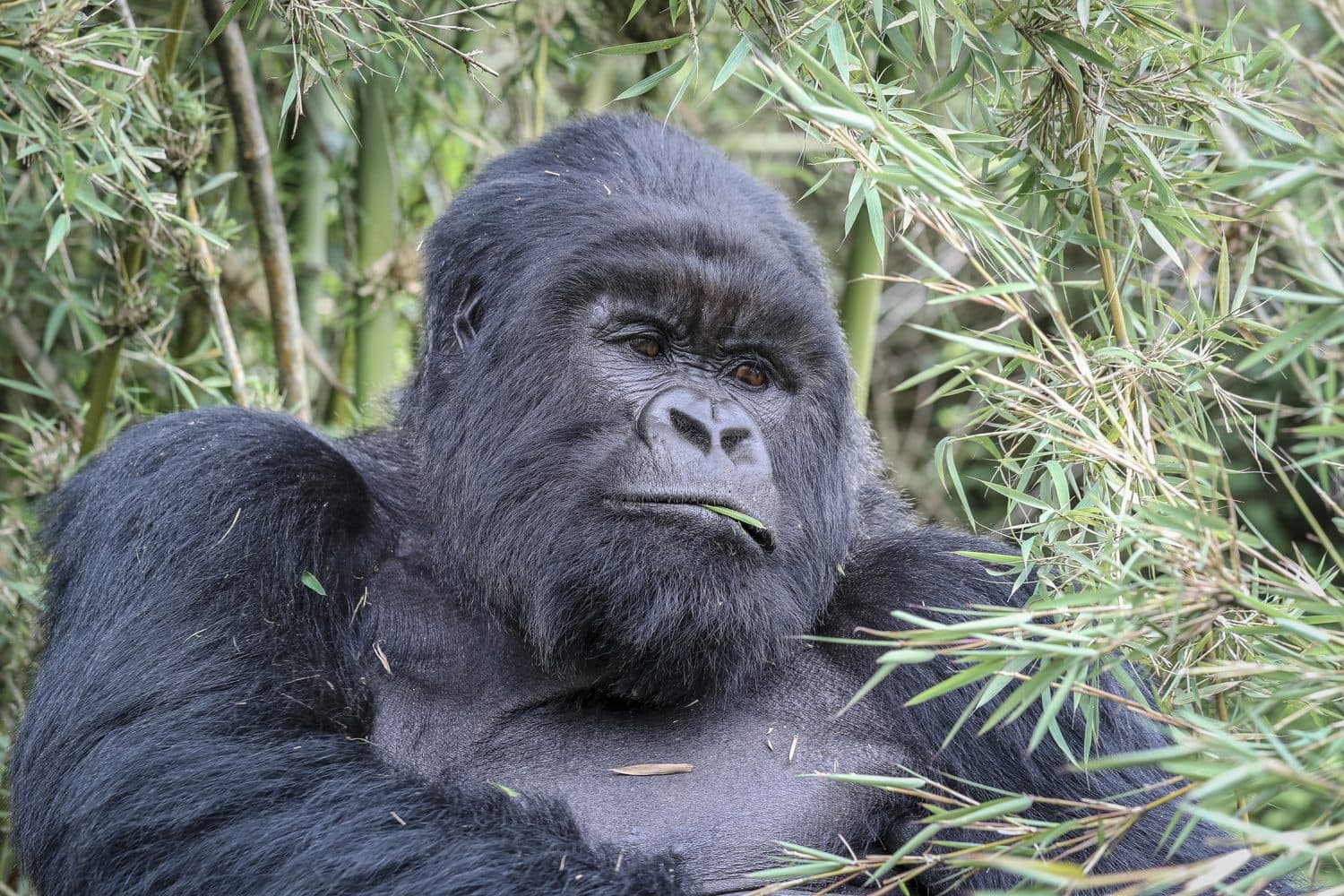
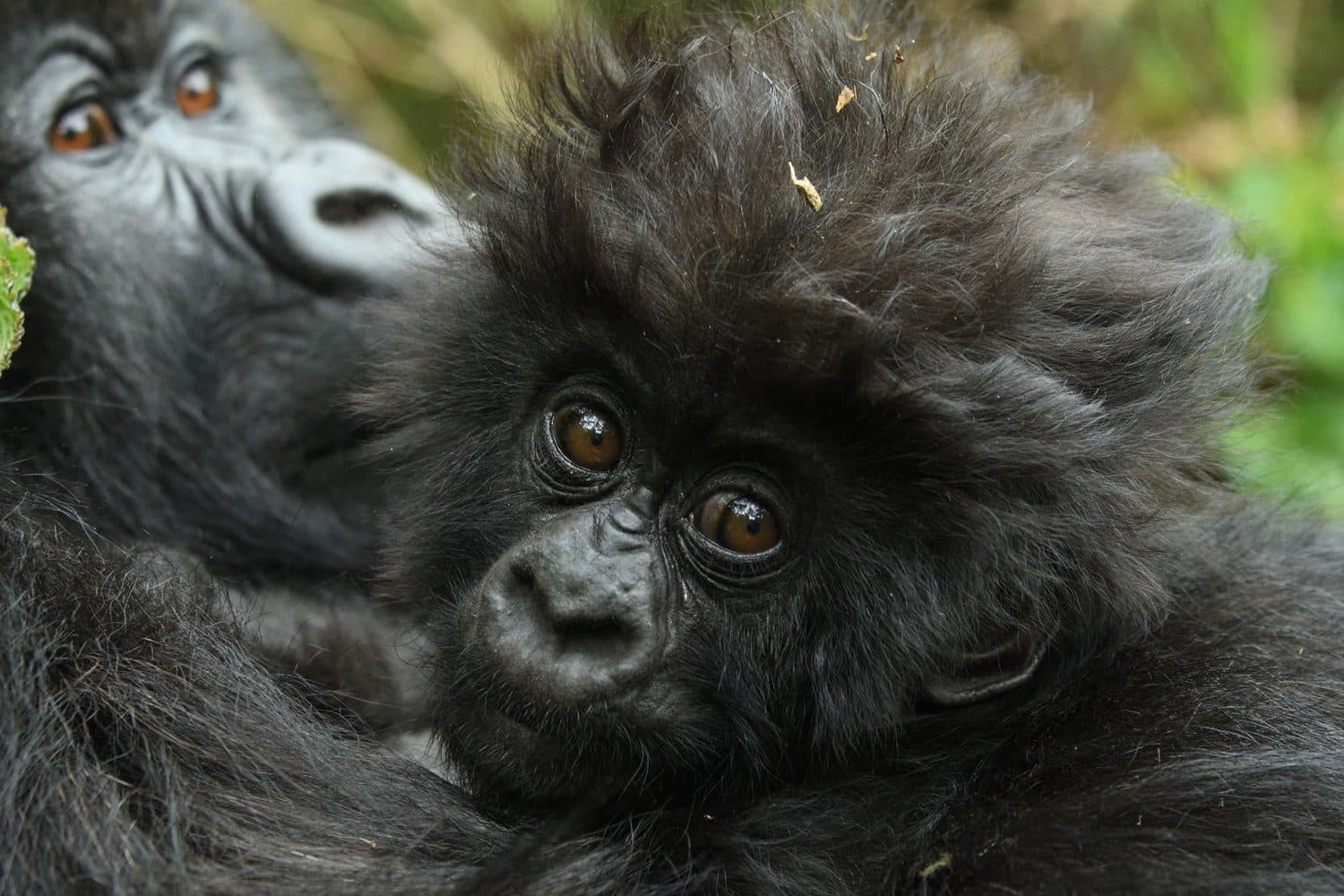
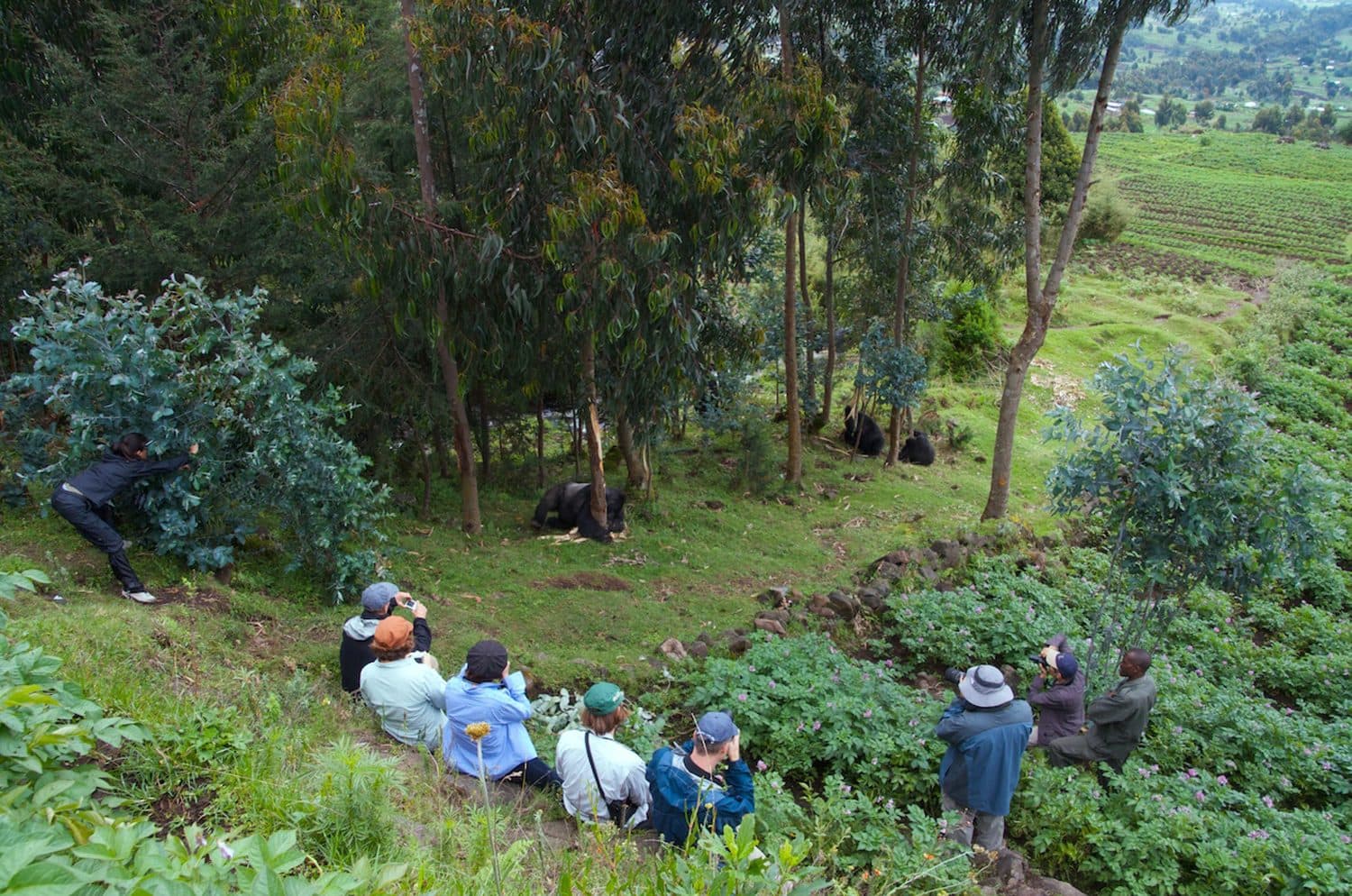
You can trek mountain gorillas in Volcanoes National Park on any day of the year, and the season changes the mud, the crowds and the permit price rather than your chance of seeing them. The gorillas live in the park all year and rangers track each family daily. RDB issues 96 permits a day across 12 habituated families, with up to 8 visitors per family. Kinigi is about 2.5 hours from Kigali, so most travellers sleep near the park, as on our 3 day gorilla trekking tour.
Every trek follows the same pattern. You report to the Kinigi park headquarters at 7:00 for a briefing, rangers assign your group to a family, and you spend one hour with the gorillas once you reach them. The minimum age is 15. A foreign visitor permit costs USD 1,500, and our gorilla permit guide explains every rate and rule. The gorilla trekking page walks through the day.
June to September Gives the Firmest Trails and the Fastest Permit Sell Out
The long dry season gives the firmest slopes and the clearest views of the Virunga volcanoes. It also lines up with summer holidays in the UK, Europe and the US, so it is the busiest time of year. Book your permit 4 to 6 months ahead for these months, and earlier if you need a set date. The trails are still steep and wet under the bamboo, so dry season trekking is easier rather than effortless.
Rainy Season Gorilla Treks Bring Mud, Fewer Trekkers and the Permit Discount
From March to May and in November, trails turn muddy and slippery, and showers can be heavy at altitude. People who have trekked in February and in the rains say the mud gets deep enough to make gaiters and a walking stick worth having. The reward is easier permit availability and a lower price. From November to May, RDB takes 30% off the foreign visitor permit, bringing it to USD 1,050, when you also stay two nights in Akagera or Nyungwe with a paid activity. Many lodges near the park also lower their rates in the rains.
Your Gorilla Family Matters More Than the Month
The family you are assigned shapes your trek more than the weather does. Some families stay close to the park edge and others range high on the slopes, so a trek can last from 1 to 5 hours. Rangers assign families at the 7:00 briefing, and you can ask for a closer family if fitness is a concern. Porters wait at the trailhead and cost about USD 15. One porter for every one or two people is the usual tip from past trekkers, to carry the bag and give a hand on steep sections.
Chimpanzee Tracking in Nyungwe Forest Is Easiest in the Dry Months
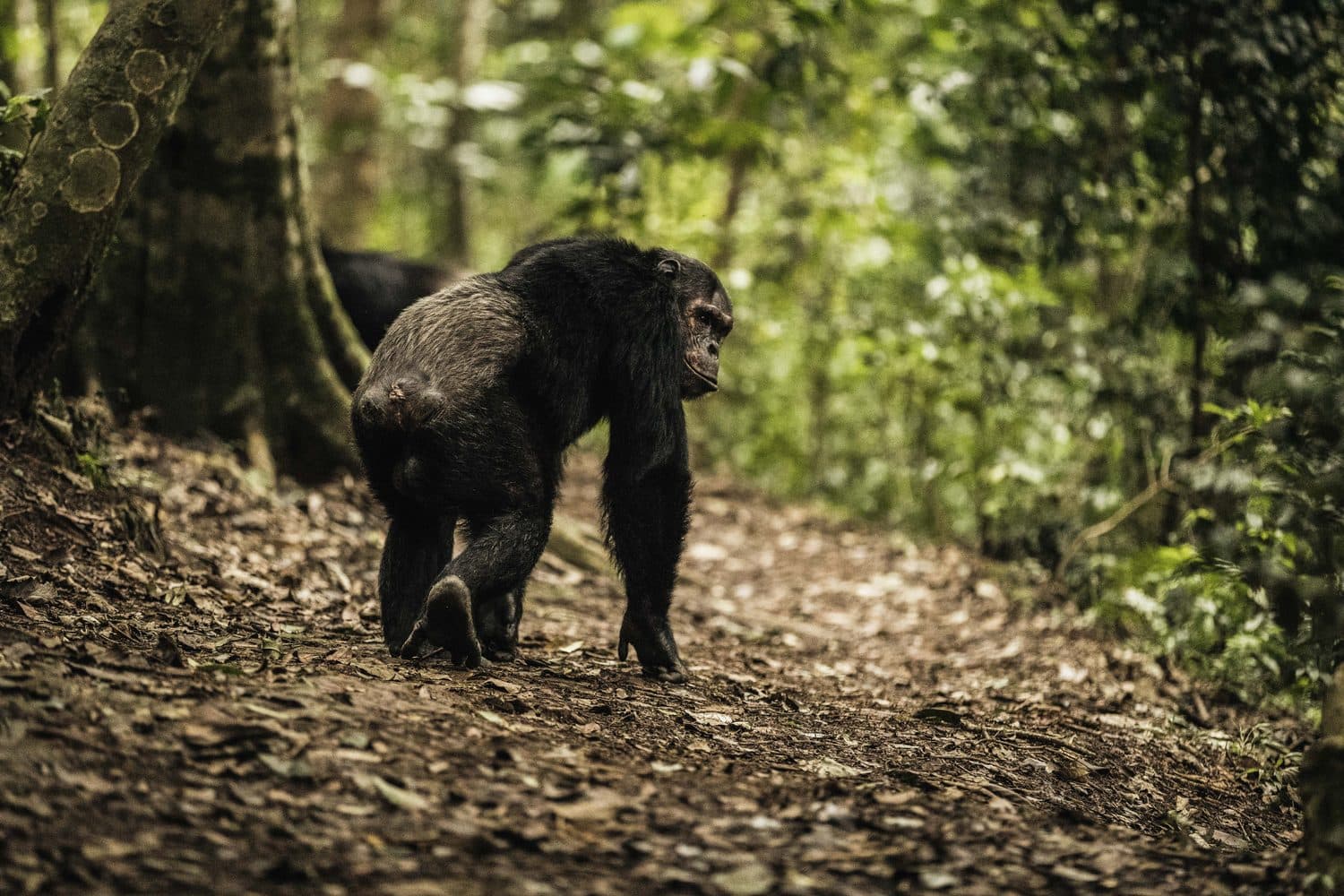
Rain falls in Nyungwe National Park in most months, so the season changes how wet the trail is rather than whether you can go. Tracking runs all year, June to September and December to February give the easiest footing, and you should still expect wet leaves and slippery roots. Tracking starts very early, at about 5:30, so rangers can find the chimps while they feed. The search can take one hour or several, with up to one hour with the group. A chimp permit costs USD 150 for foreign visitors and the minimum age is 15.
Nyungwe also has East Africa's only canopy walkway, 160 m long and 70 m above the forest floor. The walkway fee is USD 40 for international visitors and it works in any weather. Book chimpanzee tracking and the canopy walk for different mornings if you can, so a wet day does not cost you both.
Nyungwe is about 5 hours by road from Kigali, or about an hour from Kamembe airport if you fly. Our 3 day Nyungwe forest tour covers the drive, the permits and two nights at the forest edge. See the Nyungwe Forest guide for lodges.
 Recommended tour3 day gorilla trekking Rwanda tour with your permit secured · 3 daysFrom $1,890 pp
Akagera Big Five Game Drives Are Best From June to September
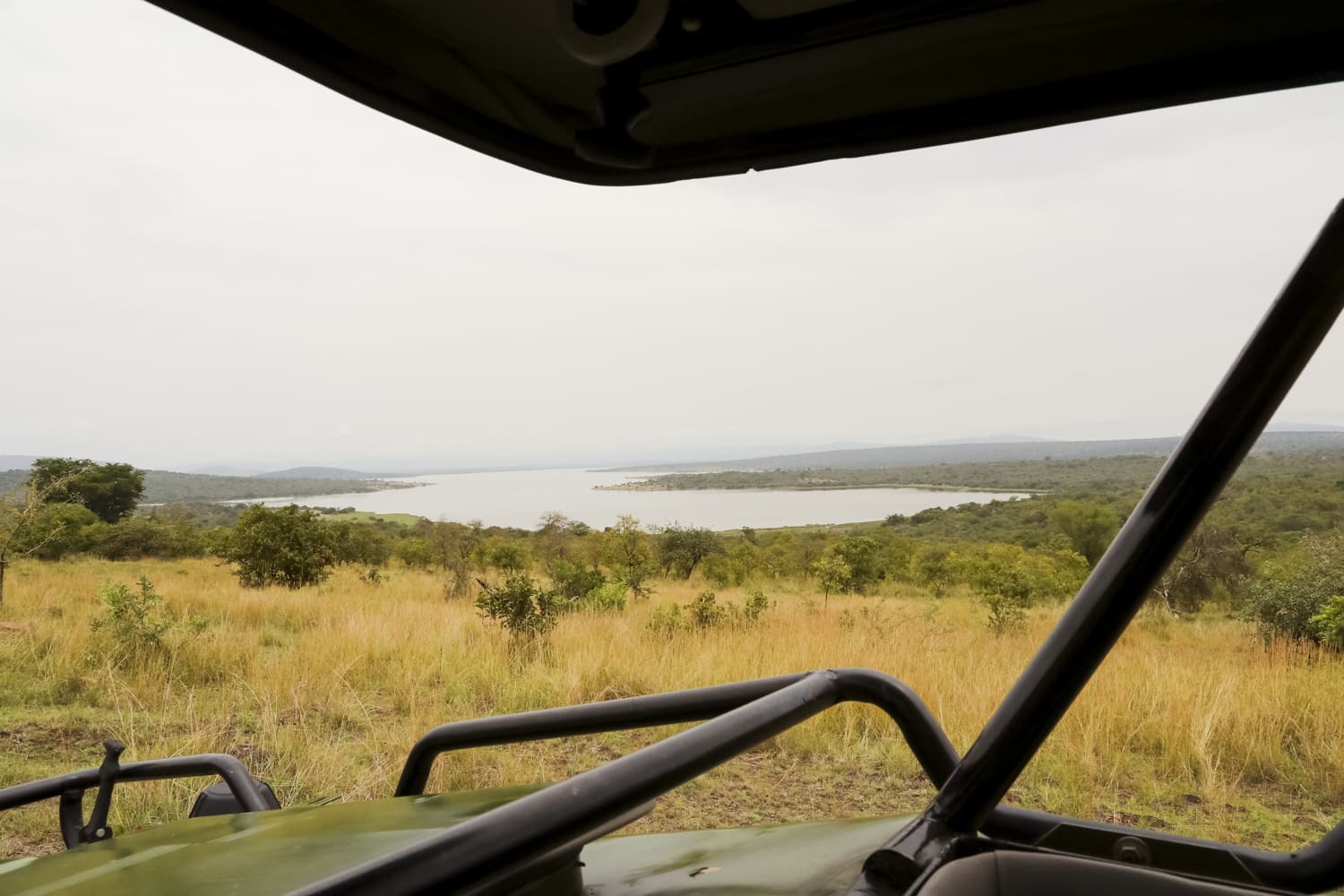
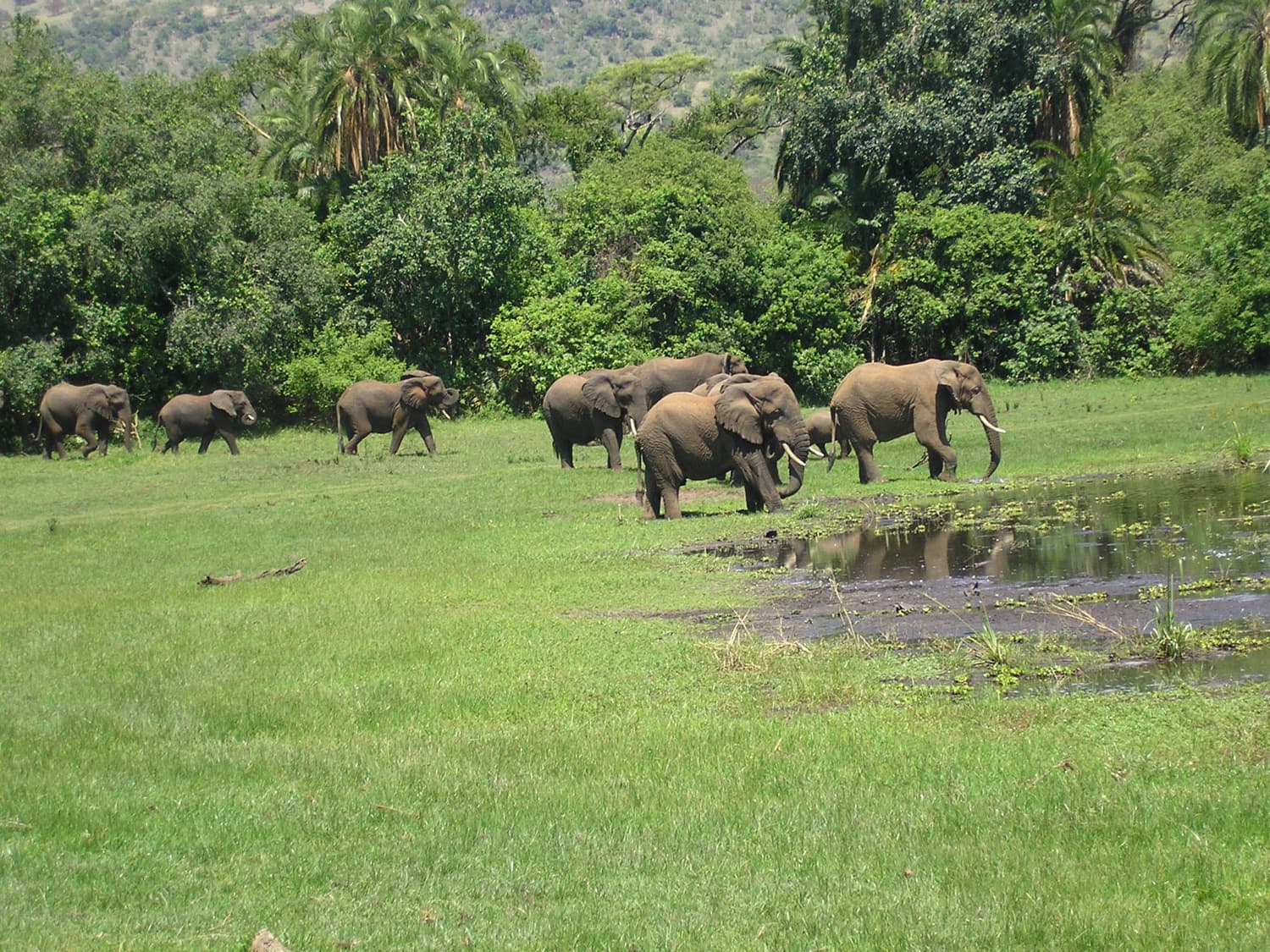
Short grass is what you want on a game drive, and in Akagera National Park it comes with the long dry season from June to September, when animals also gather near the lakes. December to February is the next best window. Akagera covers 1,122 km² of savannah, lakes and swamp in eastern Rwanda, about 2.5 hours from Kigali. It is the country's only Big Five park, with lion, leopard, elephant, buffalo and rhino.
The Big Five came back to Akagera through reintroductions. Lions returned in 2015, black rhinos in 2017 and 2019, and white rhinos in 2021, with 70 more white rhinos arriving in June 2025. Short grass makes them easier to find.
The wet months turn the park green and bring migrant birds to the swamps and lake shores. African Parks counts almost 500 bird species in Akagera, so birders often prefer November and March. Park entry costs USD 100 per day for foreign visitors in any season.
Two activities work in every month. A boat trip on Lake Ihema shows hippos, crocodiles and water birds, with sunset departures at 16:30. An Akagera night drive looks for animals that hide by day.
| Season | Game viewing | Birding | Roads |
|---|---|---|---|
| June to September | Best, short grass and animals near water | Good | Dry and dusty |
| December to February | Good | Good | Mostly dry |
| March to May | Harder, tall grass | Very good, migrant birds | Some tracks muddy |
| October and November | Fair | Very good, migrants arrive | Some tracks muddy |
Choosing the Right Akagera Trip Length
One full day covers a game drive and the boat trip, as on our Akagera day trip. Two days add a night drive and a second morning in the park. The Akagera National Park guide covers the lodges.
- Akagera safari, 2 days: a night in the park and two game drives.
- Akagera Big Five safari, 4 days: the most time to find all five.
- A 2 night Akagera stay from November to May also qualifies you for the gorilla permit discount.
Hiking Mount Bisoke, Mount Karisimbi and the Congo Nile Trail Needs Dry Weather
Plan Rwanda hikes for June to September or December to February, because rain makes the volcano trails slippery and cloud closes the views. Volcano hikes start from Kinigi in Volcanoes National Park with a permit and a ranger. The minimum age for Bisoke and Karisimbi is 15. The walk to Dian Fossey's grave at the old Karisoke research camp takes about an hour to an hour and a half each way, after a 30 minute drive from park headquarters.
Mount Bisoke Is a Full Day Hike to a Crater Lake at 3,711 m
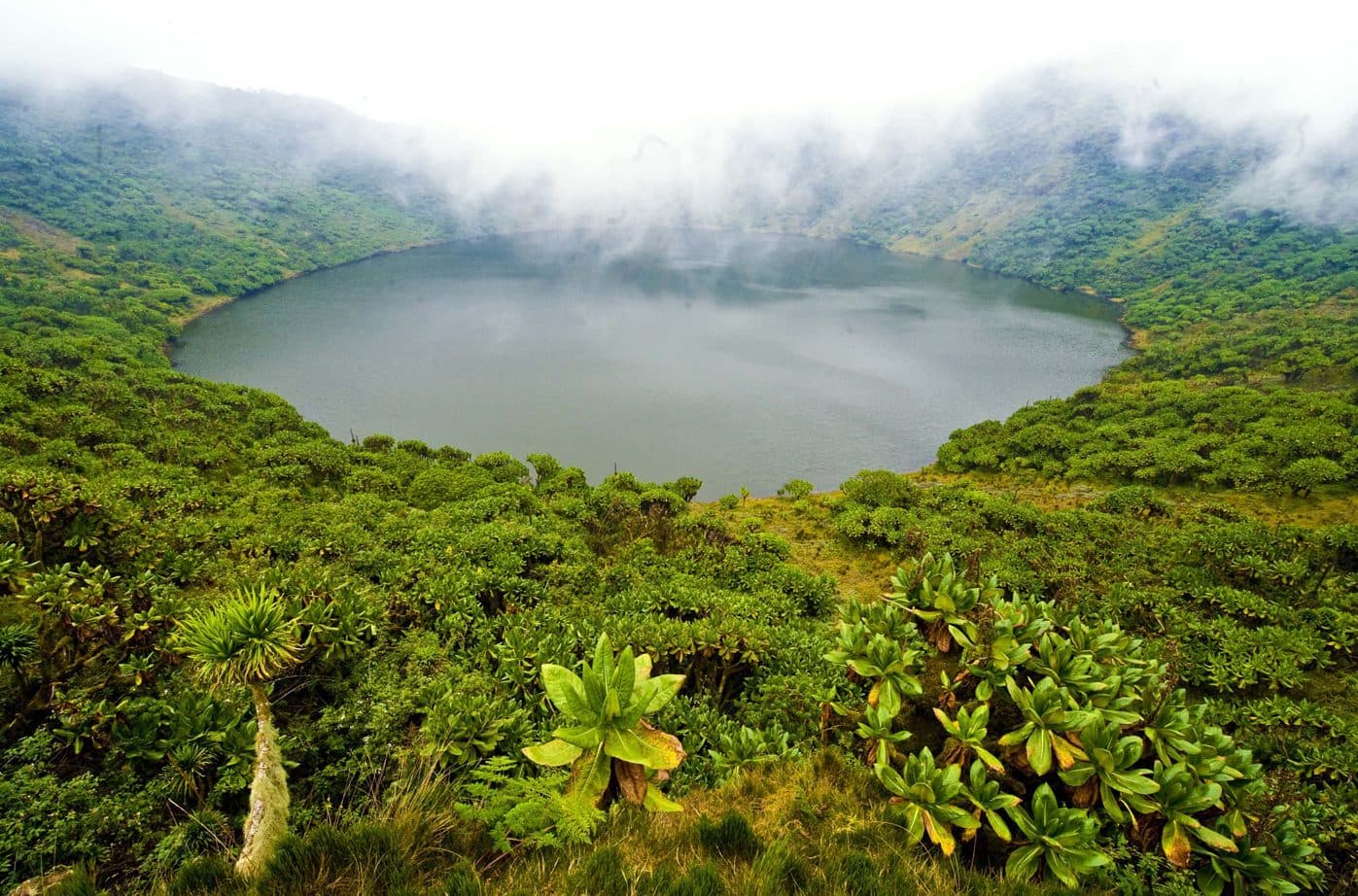
Mount Bisoke rises to 3,711 m on the border with the Democratic Republic of the Congo, and its summit holds a crater lake. RDB lists the round trip at 6 to 7 hours, with groups of up to 16 people. The permit costs USD 75 for foreign visitors, USD 60 for foreign residents and USD 55 for East African citizens.
You can hire gumboots, raincoats and gloves at the park headquarters, which helps on the steep, muddy upper section. Swimming in the crater lake is not allowed. Bisoke fits the day after a gorilla trek, from the same lodge.
Mount Karisimbi Is a Two Day Climb to 4,507 m
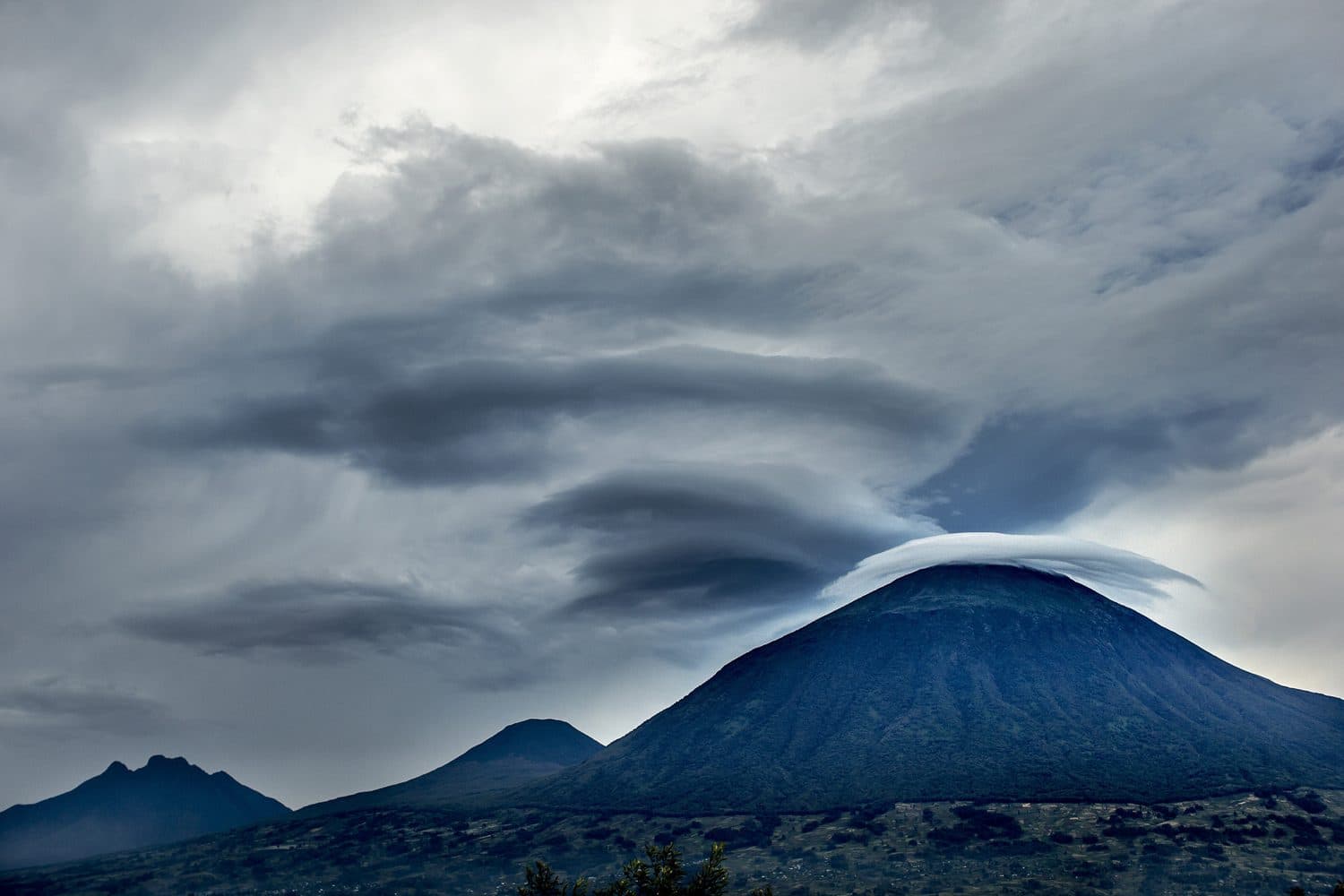
Mount Karisimbi is the highest point in Rwanda at 4,507 m, and the climb takes two days with a night camping on the mountain. The permit costs USD 400 for foreign visitors, USD 250 for foreign residents and USD 200 for East African citizens. RDB limits groups to 12 hikers. Nights near the summit are very cold, and RDB notes that snow can fall on the top in the dry months of June to August. It suits fit walkers with altitude experience.
The Congo Nile Trail Follows Lake Kivu for 227 km From Rubavu to Rusizi
The Congo Nile Trail runs 227 km along the hills above Lake Kivu, from Rubavu in the north to Rusizi in the south. Visit Rwanda puts the full route at about 10 days on foot, and most people walk or cycle one or two sections instead. The dry months keep the dirt tracks firm for bikes, and the Lake Kivu page shows the towns where you can start or stop.
Lake Kivu Is a Year Round Rest Stop Between Gorilla and Chimp Days
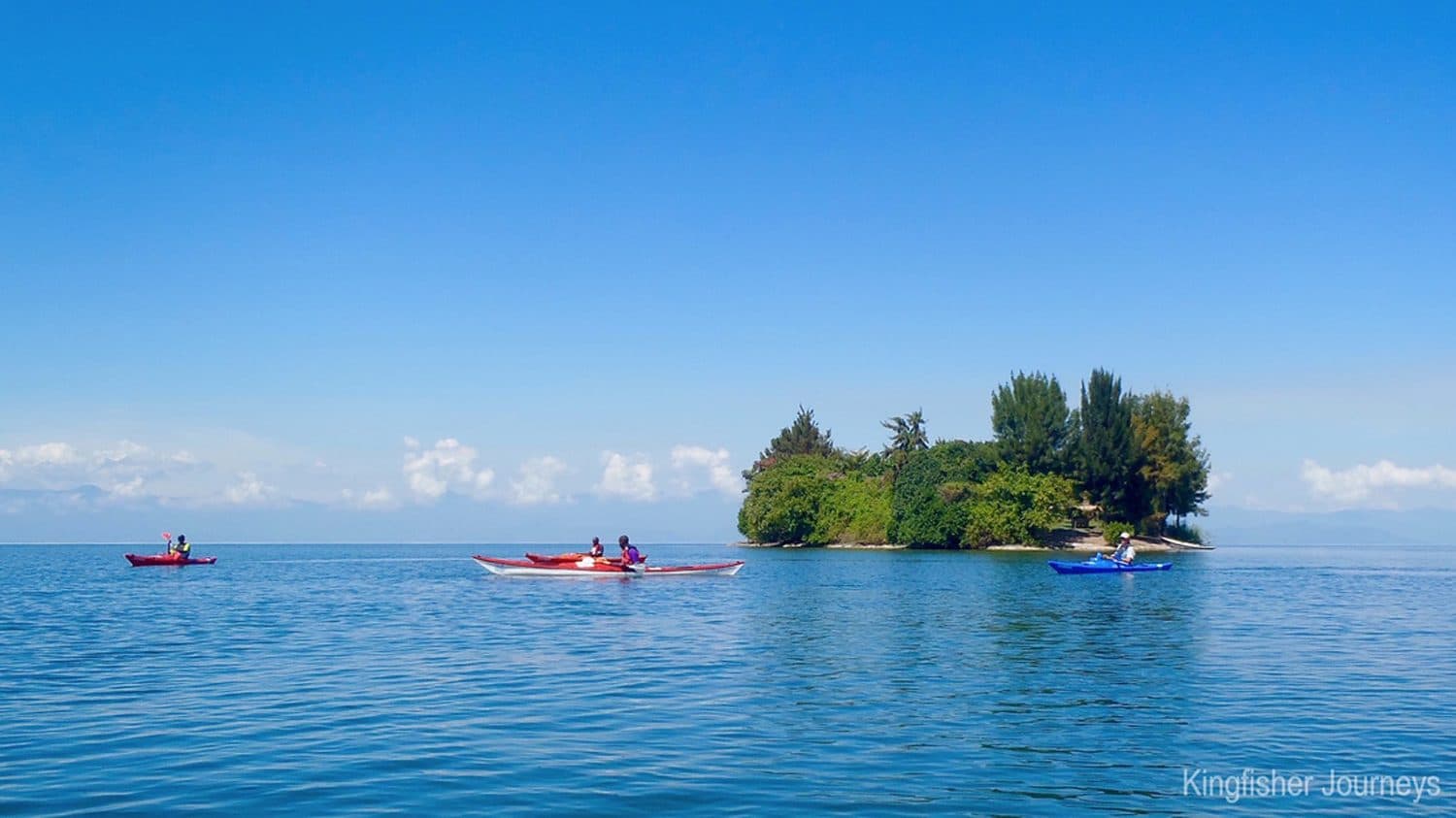
Lake Kivu works in every month, because showers pass quickly and the lake sits at about 1,460 m, lower and warmer than the volcanoes. The lake towns of Rubavu, Karongi and Rusizi line the Rwandan shore. Rubavu is about 1.5 hours from Volcanoes National Park, which makes it an easy stop after a gorilla trek.
Most travellers use Kivu as a slower day between early starts. A Lake Kivu boat trip visits the islands, and you can kayak or swim from the Rubavu beaches. Kivu also links the two primate parks. The drive from the lake to Nyungwe takes 3 to 4 hours along the shore road, so a night in Karongi or Rusizi breaks the journey.
Kwita Izina in September Is the Biggest Event on the Rwanda Calendar
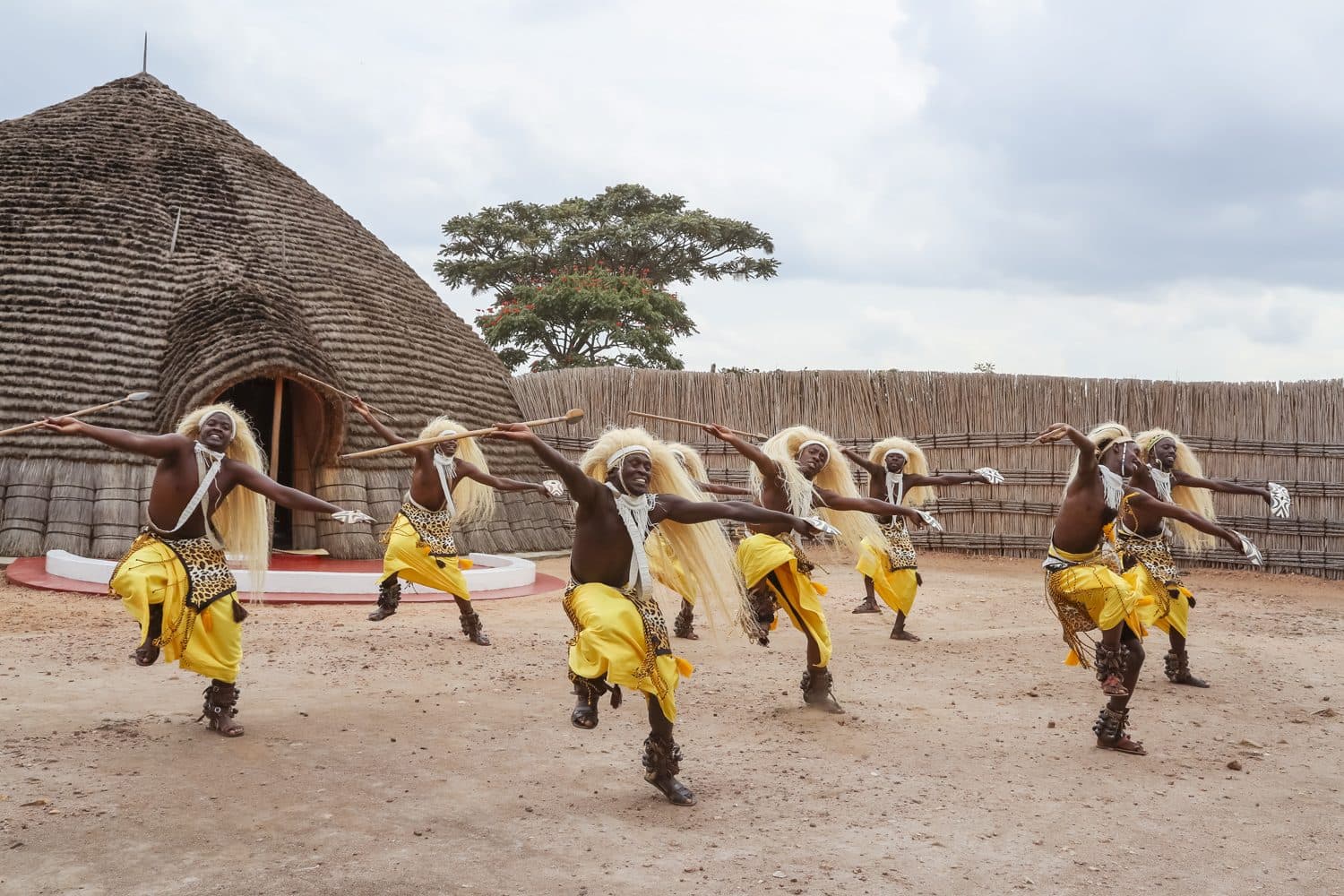
Kwita Izina, the gorilla naming ceremony, is held in Kinigi each year, usually in September. The 2026 ceremony took place on 4 September and named 22 baby gorillas, and the 2025 ceremony was on 5 September. RDB announces each year's date, so check its notice before you fix your flights. Lodges near the park fill early that week, on top of peak season demand. Book your lodge and permit about 6 months ahead for that week.
Two national days also shape the calendar. Umuganda, the community work morning, takes place on the last Saturday of each month from 8:00 to 11:00, and roads are quiet until it ends. Kwibuka, the genocide commemoration, begins on 7 April, and hotels and parks stay open while public entertainment pauses.
Culture is not limited to these dates. The Ibyiwacu cultural village near the park shows dance, music and daily life in any month, and the 2 day Kigali cultural tour covers the capital and the King's Palace. Both work in any month.
Your Best Travel Dates Also Depend on Where You Fly From
Your flight time and your holiday dates change the best month and the right trip length for you. A Nairobi visitor can fly in for a weekend, while a traveller from Sydney needs longer. Rwanda grants visas on arrival to all nationalities, and many travellers pay nothing for a 30 day stay.
Visitors From Kenya and East Africa Can Fly In for 1 to 3 Days
The flight from Nairobi to Kigali takes about 1.5 hours, so a short trip works well from Kenya, Uganda or Tanzania. East African Community citizens get 6 months visa free. Rwandan and East African citizens pay USD 200 for a gorilla permit, and African citizens or foreign nationals living elsewhere in Africa pay USD 500. These reduced rates do not apply from June to October 2026, so the low season suits a short trip from the region. Foreign nationals living in Kenya need proof of residence for the African resident rate.
- Gorilla trekking day trip: out from Kigali at 4:00 and back the same night.
- Gorilla trekking, 2 days: one night near the park and an easier start.
- Akagera day trip: a game drive and boat trip from Kigali.
UK and European Travellers Can Fit Rwanda Into One Week
RwandAir flies non stop from London Heathrow to Kigali overnight, leaving at 20:30 and landing early the next morning. From mainland Europe, Brussels Airlines, KLM and Turkish Airlines connect through Brussels, Amsterdam and Istanbul. UK citizens enter visa free for 30 days as part of the Commonwealth.
July and August school holidays fall in the long dry season, so book permits early for those weeks. Easter falls in the long rains, which brings lower prices and the permit discount. Our 7 day Rwanda safari and the 7 day Rwanda itinerary show how gorillas, chimps and Akagera fit into one week.
Australian Travellers Should Plan 10 Days or More After the Long Flight
There are no direct flights from Australia, so you connect through a hub such as Doha, Addis Ababa or Nairobi with Qatar Airways, Ethiopian or Kenya Airways. The journey takes most of a day. Australian citizens also enter visa free for 30 days as Commonwealth citizens.
December and January holidays match Rwanda's short dry season, which suits a long summer break. A long trip also lets you add Kenya or Tanzania. Our 10 day Rwanda safari, the 4 day Masai Mara safari and the 6 day Serengeti and Ngorongoro safari all combine well.
US Travellers Connect Through Europe, the Gulf or Africa
There are no non stop flights from the US to Kigali, so most travellers connect in Brussels, Amsterdam, Istanbul, Doha or Addis Ababa. US citizens can get a visa on arrival or apply online through Irembo, and the single entry tourist visa costs USD 50 for 30 days. The Rwanda visa guide explains both routes.
Summer holidays fall in the long dry season, and Thanksgiving falls in the short rains with the permit discount. Leave a spare day after you land in case a connection runs late. For a short trip with more comfort, see our 5 day luxury Rwanda safari.
The Low Season From March to May and November Cuts the Cost of a Rwanda Trip
Travel from March to May or in November if price matters most, because lodges drop their rates and RDB takes 30% off the gorilla permit from November to May. The permit falls from USD 1,500 to USD 1,050 for foreign visitors. The discount has conditions. You stay two nights in Akagera or Nyungwe, or one night in each back to back, with a paid hotel receipt and one paid park activity. Each qualifying stay earns one discounted permit, and the discount does not apply from June to October.
Our 5 day gorilla and chimpanzee safari includes two nights in Nyungwe with chimpanzee tracking, the kind of stay the discount asks for, so ask your planner to check it for November to May dates. The Rwanda safari cost guide breaks down every other part of the price. Permits are also easier to get at short notice in these months.
| Cost item | June to October | November to May |
|---|---|---|
| Gorilla permit, foreign visitor | USD 1,500 | USD 1,050 with a qualifying Akagera or Nyungwe stay |
| Resident and African permit rates | Not valid June to October 2026 | USD 500 or USD 200 |
| Lodge rates | Peak season rates | Lower green season rates at many lodges |
| Permit availability | Sells out 4 to 6 months ahead | A few weeks ahead is often enough |
Gorilla Permits for Peak Months Should Be Booked 4 to 6 Months Ahead
With only 96 permits a day, popular dates go early, so aim for 4 to 6 months ahead if you want June to September or December. A few weeks is usually enough in the rainy months. RDB sells permits first come, first served, and each one carries the trekker's name and passport number.
The official booking site is visitrwandabookings.rdb.rw. Which site is the genuine one comes up again and again in Rwanda forum threads, so check the address before you pay. RDB issues the permit once payment clears. A change of date made more than 7 days ahead is automatic, though RDB charges a fee of 20% for each change.
Leave a spare day between landing and your trek. A late flight or a lost bag should not cost you a USD 1,500 permit, because late arrival at the 7:00 briefing means no refund. You can ask a planner to check dates for you.
Getting to Rwanda Means Flying Into Kigali International Airport
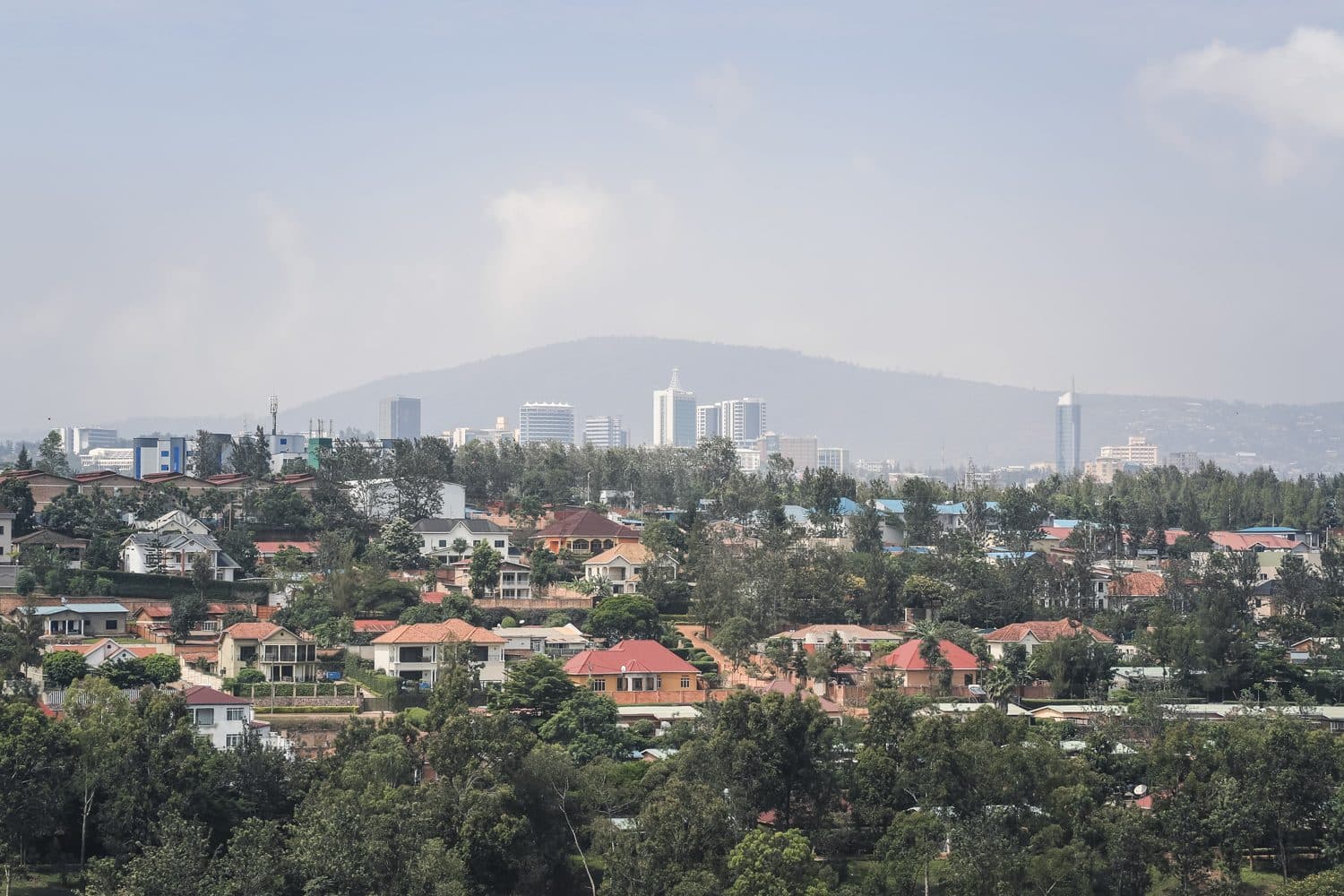
International visitors land at Kigali International Airport and drive to the parks, because Rwanda is small and most transfers take a few hours. Airlines serving Kigali include RwandAir, Kenya Airways, Ethiopian, Brussels Airlines, KLM, Qatar Airways and Turkish Airlines. Kigali makes a good first night, and the Kigali guide covers the memorial and the city.
Rwanda gives a visa on arrival to all nationalities, and the East Africa Tourist Visa costs USD 100 for 90 days across Rwanda, Uganda and Kenya. Citizens of African Union, Commonwealth and Francophonie countries get 30 days free, and other visitors pay USD 50 for a 30 day tourist visa. Read the Rwanda visa guide before you fly.
| From Kigali to | Drive time |
|---|---|
| Volcanoes National Park (Kinigi) | About 2.5 hours |
| Akagera National Park | About 2.5 hours |
| Lake Kivu (Rubavu), via Volcanoes | About 1.5 hours from the park |
| Nyungwe National Park | About 5 hours, or fly to Kamembe |
| Akagera to Volcanoes | About 5 hours, usually via Kigali |
What You Pack for Rwanda Changes Little With the Season
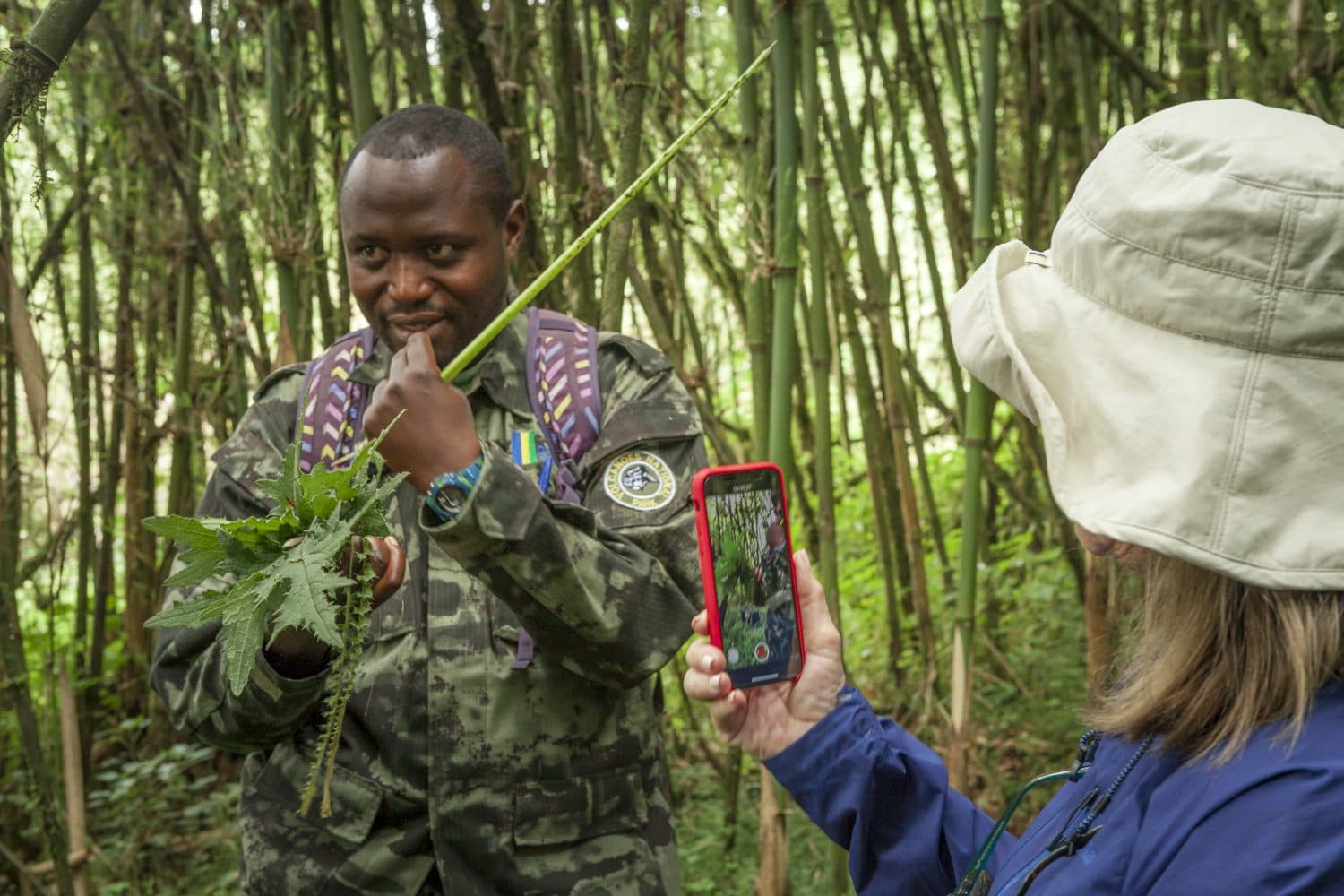
Pack rain gear in every month, because the volcanoes and Nyungwe get rain all year. The same kit works for gorilla treks, chimp tracking and volcano hikes. Gloves matter more than most travellers expect. Stinging nettles grow along the gorilla trails, and RDB advises long trousers for the same reason. Cheap gardening gloves protect your hands when you grab a branch on a steep slope.
Two rules apply before you land. Rwanda has banned plastic carry bags since 2008, and bags found in your luggage are taken at the airport. Malaria prevention is advised for Rwanda, so see a travel clinic about six weeks before you go.
- Waterproof hiking boots with good grip, and gaiters for mud
- A light rain jacket that packs small
- A warm fleece for cold mornings and evenings near the volcanoes
- Long trousers and long sleeves against nettles and insects
- Gardening gloves for the gorilla trek
- Sun cream and a hat for game drives in Akagera
- A daypack with water
FAQ
What is the best month to visit Rwanda?
July and August are the best months for dry trails, clear volcano views and game viewing in Akagera. January and February are a good second choice with fewer visitors, though trails can still be muddy.
Is it worth visiting Rwanda in the rainy season?
Yes, if price matters to you. Gorilla treks run every day, rain often falls as heavy showers rather than all day, and from November to May the gorilla permit drops to USD 1,050 with a qualifying Akagera or Nyungwe stay.
Can you trek gorillas in March or April?
Yes. Treks run daily in March and April. Expect mud and heavy showers at altitude, and easier permit availability than in the dry season.
When is the cheapest time to visit Rwanda?
March to May and November are the cheapest months. Many lodges lower their rates, and RDB takes 30% off the foreign visitor gorilla permit from November to May when you also stay two nights in Akagera or Nyungwe.
How many days do you need in Rwanda?
Three days cover a gorilla trek with a night near the park. Five days add chimps in Nyungwe, and seven days add Akagera and Lake Kivu.
When is Kwita Izina 2027?
RDB has not announced the 2027 date yet. The ceremony is usually held in Kinigi in September, and it took place on 4 September in 2026. Check the RDB announcement before you book flights.