Is a Rwanda Safari Safe? What to Know Before You Travel in 2026
Rwanda Safaris team · KigaliUpdated 16 Nov 2026 · 9 min read
For most visitors, yes: a Rwanda safari is safe when you follow the official advice and travel with a licensed guide. Crime is relatively low, Kigali is clean and orderly, and every gorilla and chimp trek is led by park rangers. The real risks in 2026 are close to the border with the Democratic Republic of the Congo (DRC), where fighting and an Ebola outbreak continue, and on the roads after dark. This guide explains what the UK and US governments say, which areas to avoid and how we plan a Rwanda safari around them.
- Most of Rwanda is safe for a Rwanda safari, and crime is relatively low.
- The UK advises against all but essential travel only to parts of Rusizi District within 10 km of the DRC border.
- The US rates Rwanda Level 3, Reconsider Travel, mainly because of the Ebola outbreak in the region, and Level 4 within 10 km of the DRC border.
- Gorilla and chimp treks are always led by park rangers in small groups.
- Avoid driving after dark, drink bottled water and take malaria advice from your doctor.
Is a Rwanda Safari Safe? The Short Answer
A Rwanda safari is one of the most organised wildlife trips in Africa. Visits to the national parks are run by the Rwanda Development Board (RDB) and, in Akagera and Nyungwe, by African Parks, with rangers on every trek and set rules for visitors. Most travellers spend their time in Kigali, Volcanoes National Park, Akagera and Nyungwe, and the main tourist routes between them are paved.
That does not mean there is no risk. Rwanda shares a border with the eastern DRC, where armed groups are fighting and where a large outbreak of Ebola caused by the Bundibugyo virus began in 2026. Government travel advice changes with these events, so we check it before every trip and plan your Rwanda safari around it.
If you are new to the idea, our Rwanda safari homepage explains what a trip here involves, from gorilla trekking to Big Five game drives.
What the UK and US Travel Advice Says in 2026
Governments rate risk in different ways, so it helps to read two of them. The table sums up the advice as of November 2026. Always check the current pages on gov.uk and travel.state.gov before you book and again before you fly, because both changed several times this year.
| Government | Whole country | Areas to avoid |
|---|---|---|
| United Kingdom (FCDO) | No advice against travel | Parts of Rusizi District within 10 km of the DRC border, including Kamembe Airport and the Rwandan islands of Lake Kivu in that area |
| United States | Level 3: Reconsider Travel, mainly because of Ebola in the region | Level 4: Do Not Travel within 10 km of the DRC border in Musanze, Rubavu and Rusizi districts |
What This Means for Your Rwanda Safari
Kigali, Akagera National Park and most of Nyungwe sit far from the DRC border. Volcanoes National Park and the town of Gisenyi on Lake Kivu are much closer, so ask us how the lodges, trailheads and roads on your route compare with the current advice before you book.
Check your travel insurance too. The UK government warns that insurance can be invalidated if you travel against its advice, and some US policies treat a Level 3 or Level 4 rating in the same way.
Ebola and Health Checks at the Border
The 2026 Ebola outbreak is centred in the DRC. In response, Rwanda has added health screening at Kigali International Airport and restrictions at its land borders with the DRC, and these rules can change at short notice. Expect a temperature check and questions about where you have travelled.
There is no licensed vaccine or treatment for the Bundibugyo virus, so health agencies advise visitors to avoid contact with sick people and with wild animals' bodily fluids, and to wash hands often. Before you travel, read the latest updates from the World Health Organization or your own health ministry, and do not plan to cross into the DRC as part of your Rwanda safari.
 Recommended tour3 day gorilla trekking Rwanda tour with your permit secured · 3 daysFrom $1,890 pp
Kigali Is One of Africa's Calmest Capitals
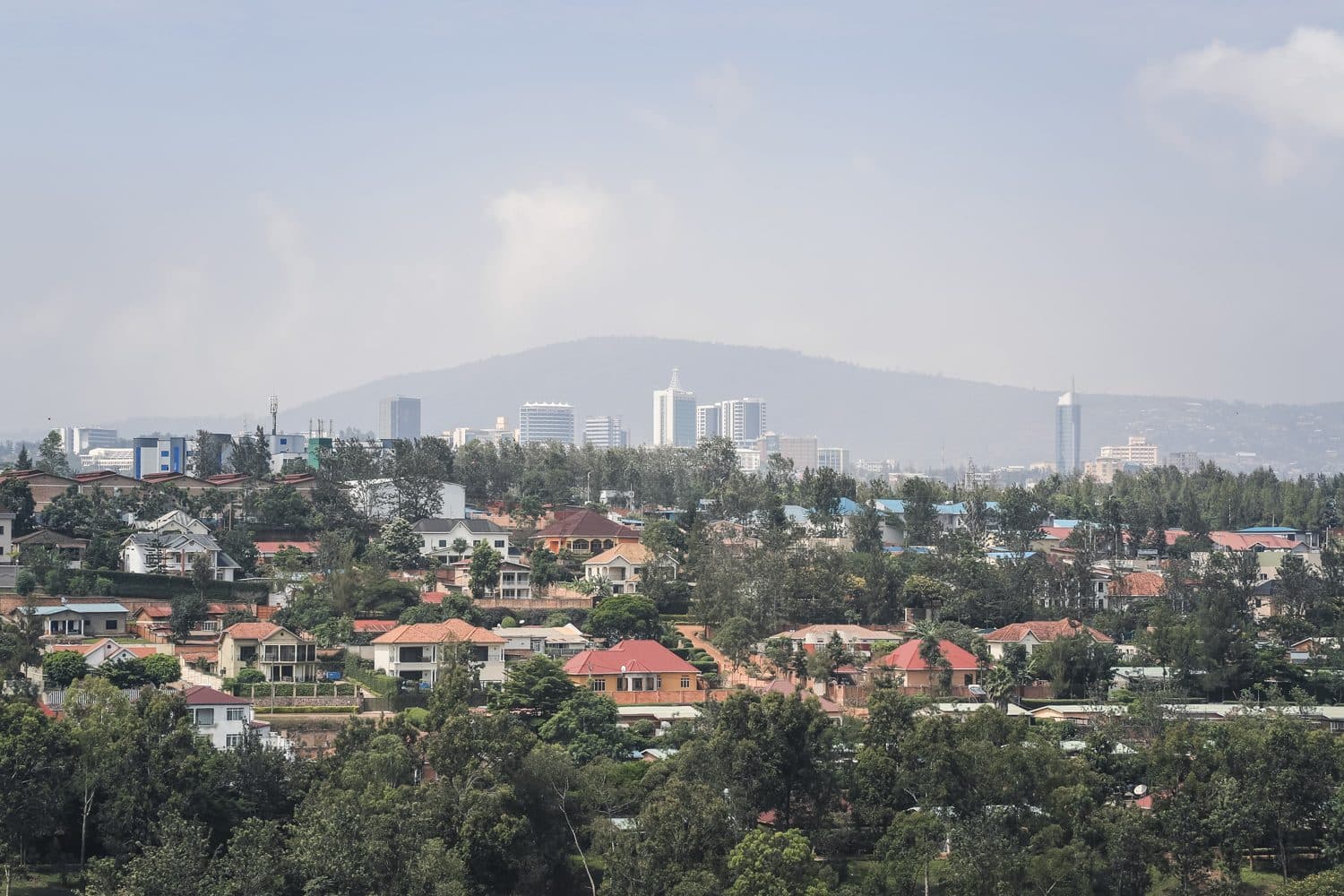
Most Rwanda safari trips start in Kigali. The city is known for clean streets, a ban on plastic bags and a visible police presence, and many visitors walk around in the daytime without problems.
Crime is relatively low, but the UK government notes cases of bag snatching, burglary and mugging in Kigali. Use common sense: keep valuables out of sight, do not carry large amounts of cash and arrange transport at night instead of walking. Some military areas in the city are poorly marked, so avoid photographing soldiers, police or government buildings.
On the last Saturday morning of each month, Rwanda holds Umuganda, a national community work morning. Roads and shops are quiet until about midday, so we plan airport transfers and drives around it.
Gorilla Trekking and Game Drives Are Run With Strict Rules
Wildlife is the reason for a Rwanda safari, and the parks keep visits safe with clear rules.
Gorilla and Chimp Treks Are Led by Rangers
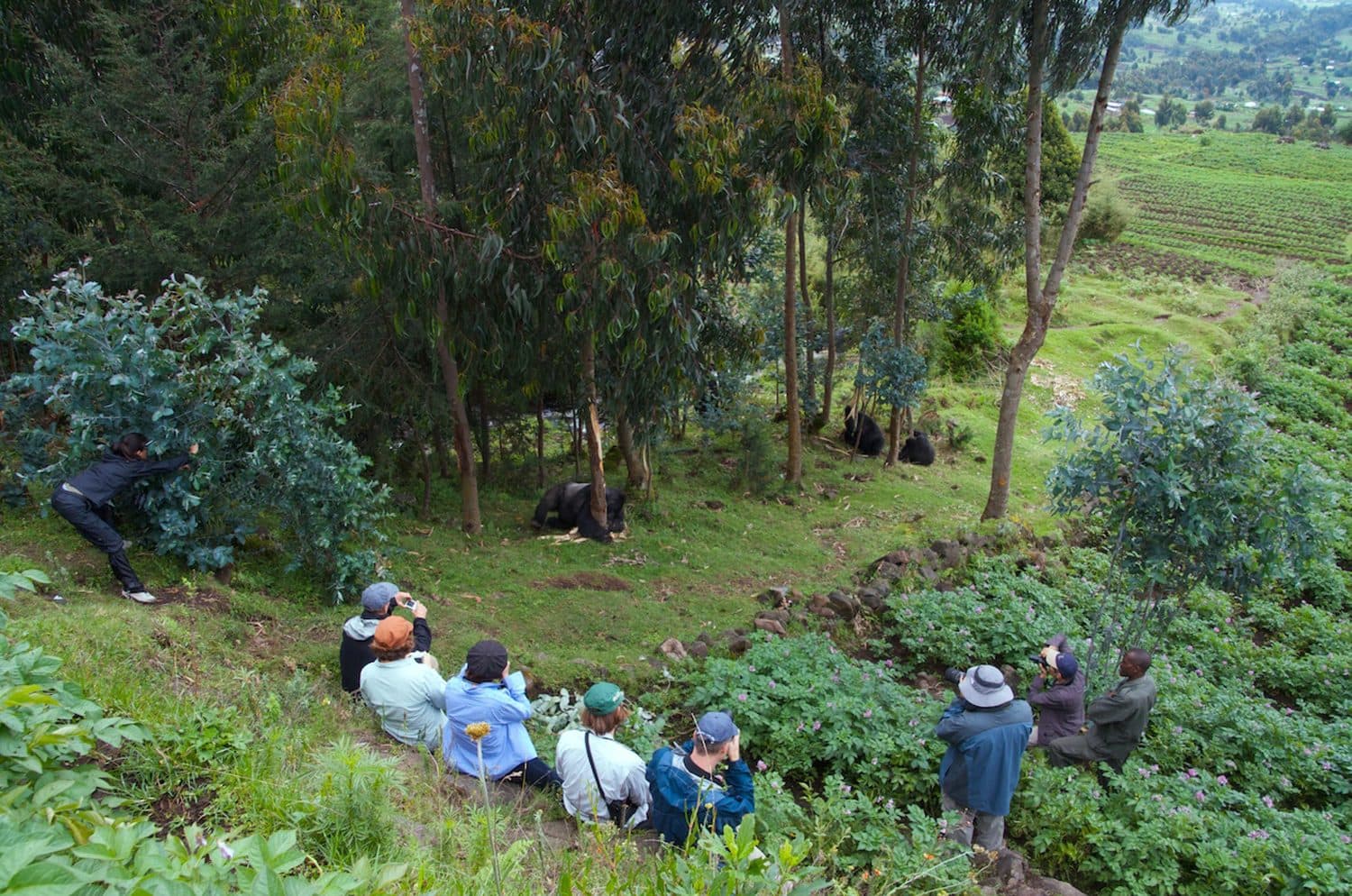
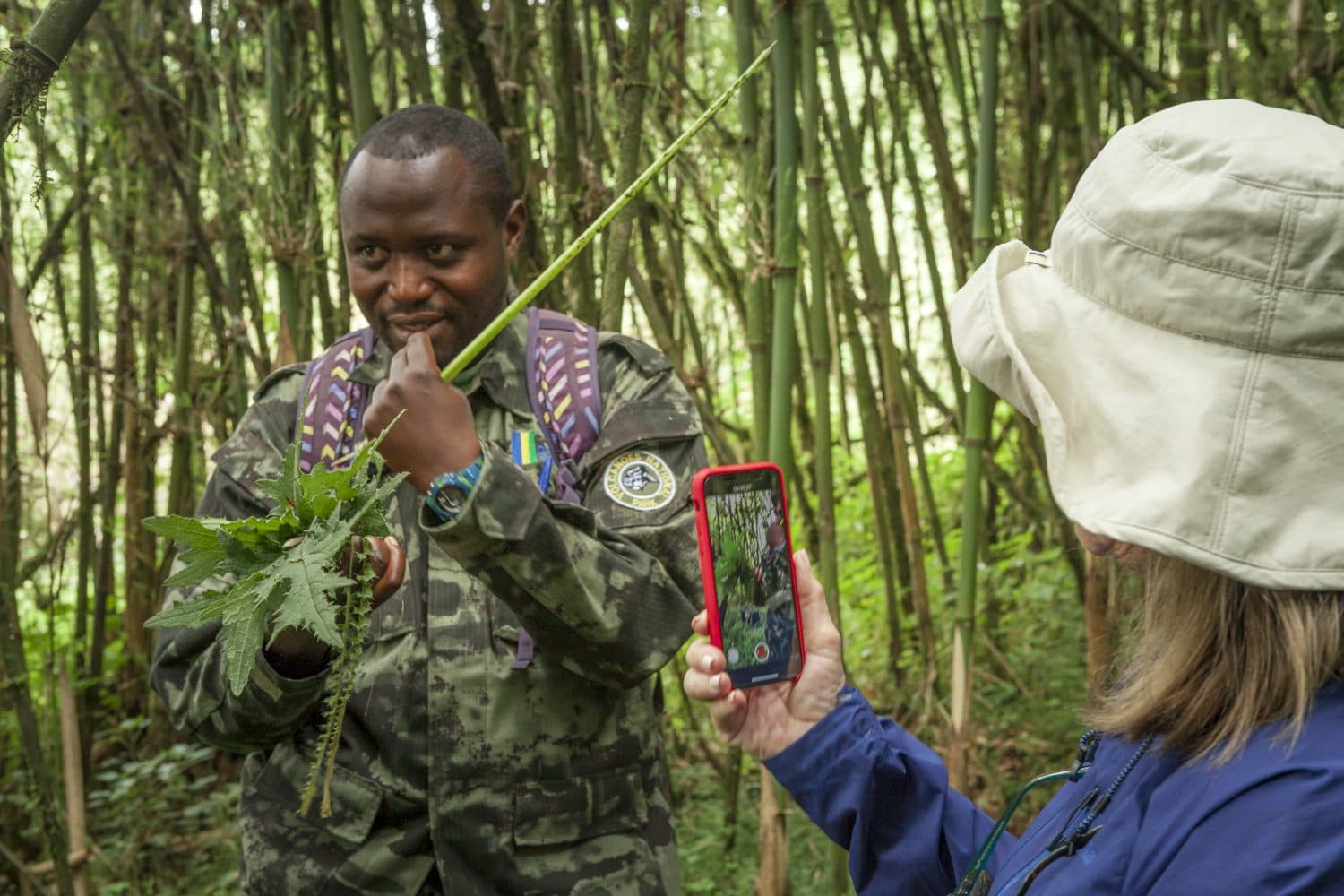
Every gorilla trek in Volcanoes National Park is led by park rangers and trackers, with up to eight visitors per gorilla family and one hour with the gorillas. Trekkers must be 15 or older. Rangers tell you how close to stand and what to do if a gorilla moves towards you, and you simply follow their lead. Chimpanzee tracking in Nyungwe works the same way.
The trails are steep and often muddy, so most injuries are slips. Wear boots with good grip, use a walking stick and hire a porter to carry your bag. Our gorilla permit guide explains how the treks are booked.
Stay in the Vehicle on Akagera Game Drives
Akagera National Park has lions, leopards, elephants, buffalo and rhinos. On a game drive you stay inside the vehicle unless your guide says it is safe to get out, and you never walk near the lake shore, where hippos and crocodiles live. Boat trips on Lake Ihema are run by the park, and you stay seated while the boat is moving.
Road Safety Matters More Than Crime
For most travellers, the biggest everyday risk on a Rwanda safari is the road. The main roads from Kigali to the parks are paved and in good condition, but the hills are steep, landslides can close roads in the rainy season, and outside towns the roads are usually unlit at night.
That is why our Rwanda safari routes are driven by an experienced driver-guide in a private 4x4, and we plan driving days to arrive before dark. Motorbike taxis are common in Kigali, but they are involved in many accidents, so we suggest a car instead.
Health Tips for a Safe Rwanda Safari
A few simple steps prevent most health problems on a Rwanda safari:
| Risk | What to do |
|---|---|
| Malaria | Present in much of Rwanda. Ask your doctor about anti-malaria tablets and use insect repellent in the evening. |
| Yellow fever | Carry a vaccination certificate if you arrive from a country with yellow fever risk. |
| Tap water | Drink bottled or filtered water, which lodges provide. |
| Altitude and fitness | Treks in Volcanoes start at about 2,500 m. Walk at your own pace and tell the ranger if you feel unwell. |
| Ebola | Avoid contact with sick people and follow the screening rules at the airport and borders. |
Is a Rwanda Safari Safe for Women, Families and LGBT+ Travellers?
Women travelling alone generally find Rwanda relaxed and respectful, especially on a guided Rwanda safari where transport and lodges are arranged in advance. Families are welcome too. Children under 15 cannot join gorilla or chimp treks, but Akagera game drives and boat trips have no minimum age.
Same-sex relationships are legal in Rwanda and the constitution bans discrimination, but the UK government notes that public affection may be frowned upon. Most couples find that discretion in public is enough.
How We Keep Your Rwanda Safari Safe
We are a Kigali team, so we follow the news and the official advice every day. Before you book, we tell you how your route compares with the current UK and US advice. During the trip, your driver-guide knows the roads and the parks, and you have our phone and WhatsApp numbers at all times.
If the advice for an area changes, we talk to you about your options, such as a different lodge or a different park. To plan a route that suits you, start with our Rwanda safari packages or send us your dates through the trip planner.
FAQ
Is a Rwanda safari safe in 2026?
For most visitors, yes. Crime is relatively low and the parks are well run, but check the UK and US travel advice before you go. In 2026 the main risks are near the DRC border, where fighting and an Ebola outbreak continue.
Is gorilla trekking in Rwanda dangerous?
No, when you follow the rangers. Every trek is led by park rangers and trackers, groups are capped at eight people and you spend one hour with the gorillas. The most common injury is a slip on a muddy trail.
Which parts of Rwanda should I avoid?
The UK advises against all but essential travel to parts of Rusizi District within 10 km of the DRC border. The US rates the 10 km zone along the DRC border in Musanze, Rubavu and Rusizi districts as Level 4, Do Not Travel.
Is Kigali safe at night?
Kigali is one of the calmer capitals in Africa, but bag snatching and mugging do happen. Use a car or taxi arranged in advance at night instead of walking or taking a motorbike taxi.
Does Ebola affect a Rwanda safari?
The 2026 Ebola outbreak is centred in the DRC. Rwanda has added health screening at Kigali airport and its land borders. Follow those checks, avoid contact with sick people and do not cross into the DRC.
Do I need vaccinations for a Rwanda safari?
You need a yellow fever certificate if you arrive from a country with yellow fever risk. Malaria is present, so ask your doctor about anti-malaria tablets before you travel.