Rwanda Safari Animals: What You Will See and Where to Find Them
Rwanda Safaris team · KigaliUpdated 16 Nov 2026 · 9 min read
On a Rwanda safari you can see mountain gorillas, chimpanzees, golden monkeys and the Big Five in one short trip. Rwanda is small, but each of its parks protects different animals: gorillas and golden monkeys in Volcanoes National Park, chimpanzees and colobus monkeys in Nyungwe Forest, and lions, elephants, rhinos, buffalo, leopards, giraffes and hippos on the Akagera savanna. This guide shows which animals live where, how likely you are to see them and how to plan a Rwanda safari that covers the ones you care about most.
- Mountain gorillas and golden monkeys live in Volcanoes National Park.
- Chimpanzees and large troops of colobus monkeys live in Nyungwe Forest.
- Akagera National Park has the Big Five: lions, leopards, elephants, buffalo and rhinos.
- A 7 day Rwanda safari can cover all three parks.
- Rwanda has no cheetahs, wild dogs or great wildebeest migration, so add Kenya or Tanzania for those.
Rwanda Safari Animals at a Glance
Most of the animals on a Rwanda safari live in three national parks, each a few hours' drive from Kigali. The table shows where to find the animals visitors ask about most and how good your chances are. If you are new to the idea, our Rwanda safari homepage explains how a trip here works.
| Animal | Where | Chance of seeing |
|---|---|---|
| Mountain gorilla | Volcanoes National Park | Very high with a permit |
| Golden monkey | Volcanoes National Park | Very high on a tracking walk |
| Chimpanzee | Nyungwe Forest | Good, but they move fast |
| Colobus monkey | Nyungwe Forest | Very high |
| Elephant, buffalo, giraffe, zebra | Akagera National Park | Very high on a full-day drive |
| Hippo and crocodile | Akagera, Lake Ihema | Very high from a boat |
| Lion | Akagera National Park | Fair, best in the north |
| Rhino | Akagera National Park | Fair, ask your guide |
| Leopard | Akagera National Park | Low, best on a night drive |
Mountain Gorillas: The Highlight of a Rwanda Safari
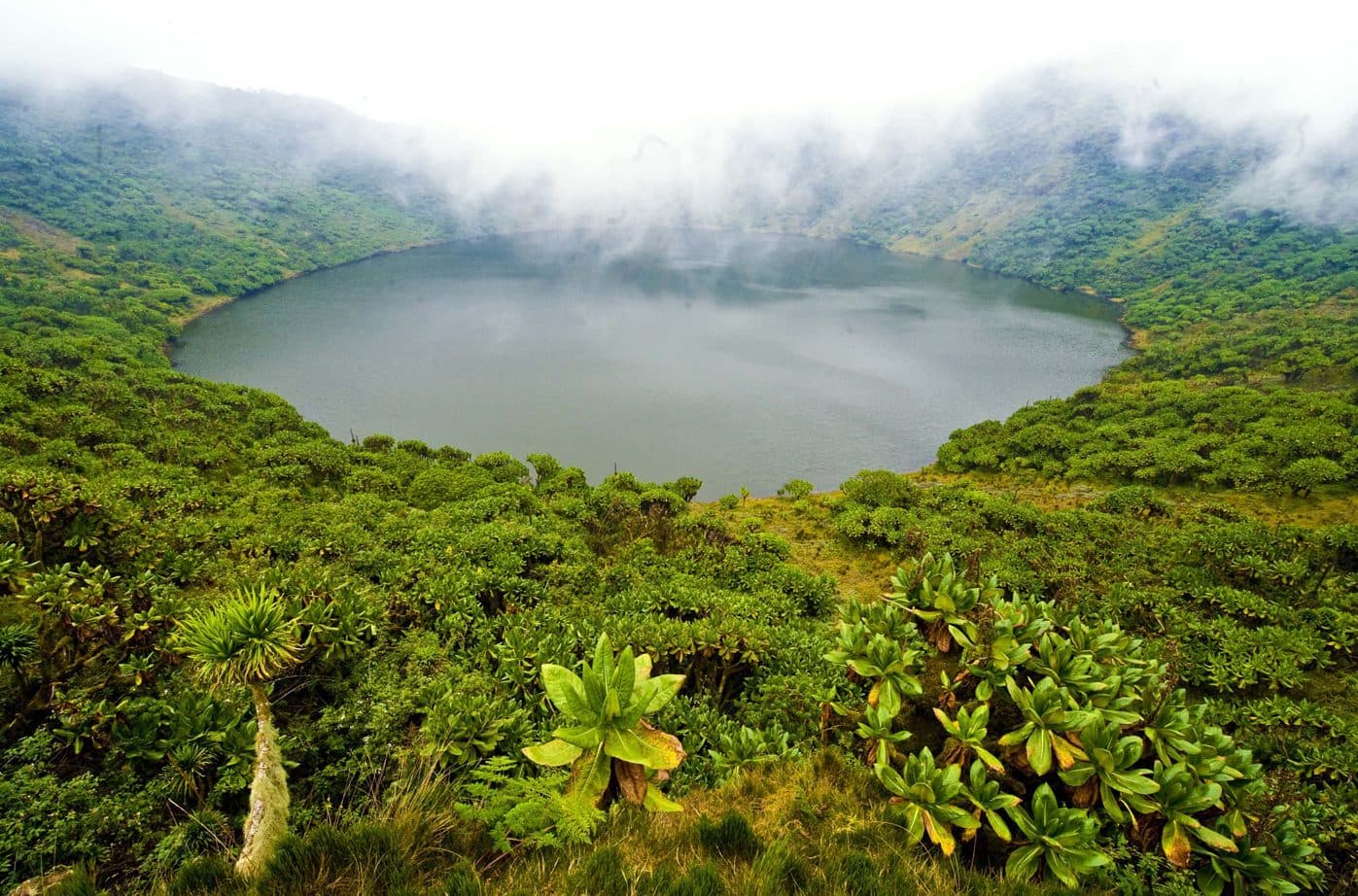
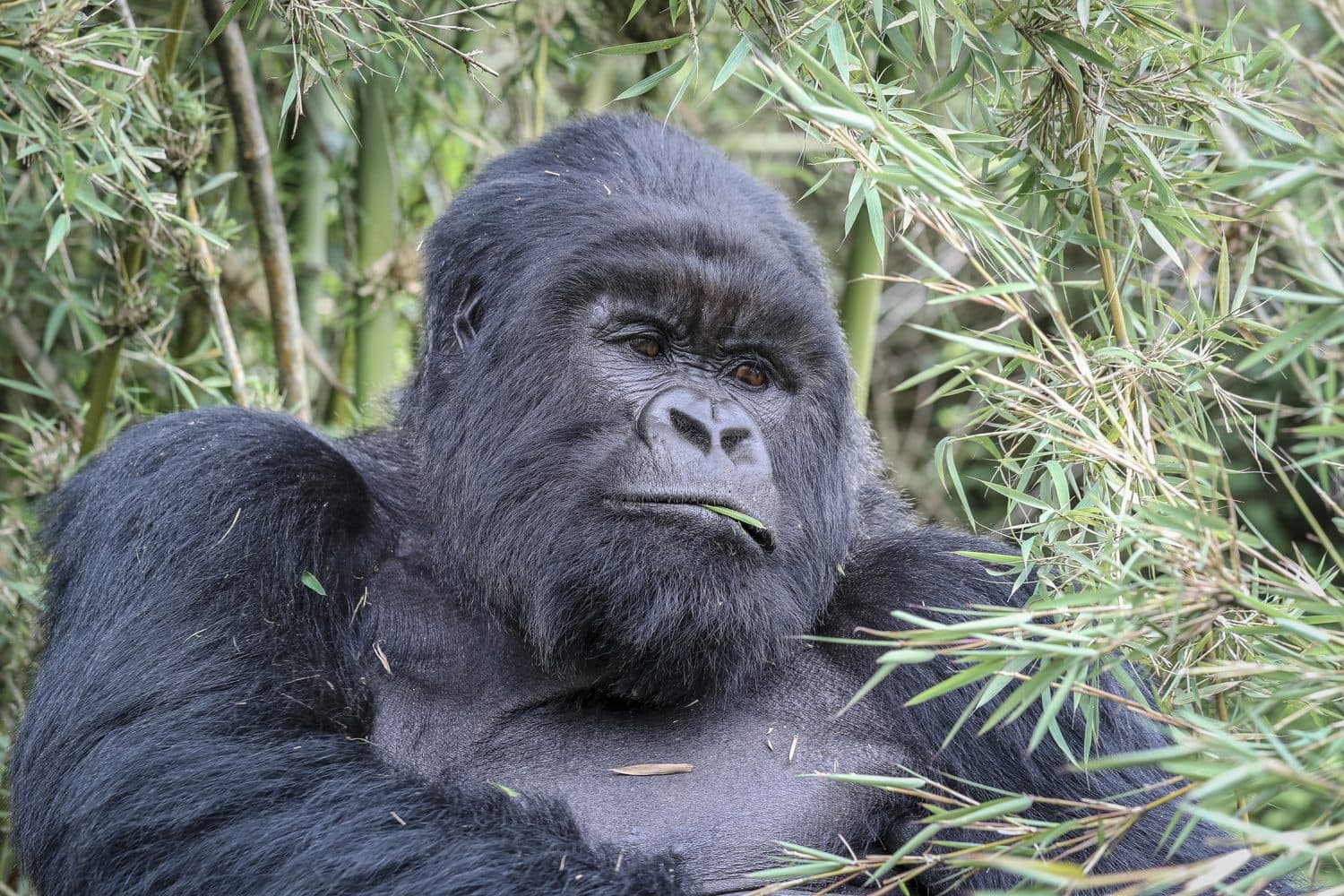
Mountain gorillas are the main reason most people plan a Rwanda safari. They live only in the Virunga volcanoes and Uganda's Bwindi forest, and Volcanoes National Park has 12 gorilla families that are used to visitors. Each family receives one group of up to eight people a day.
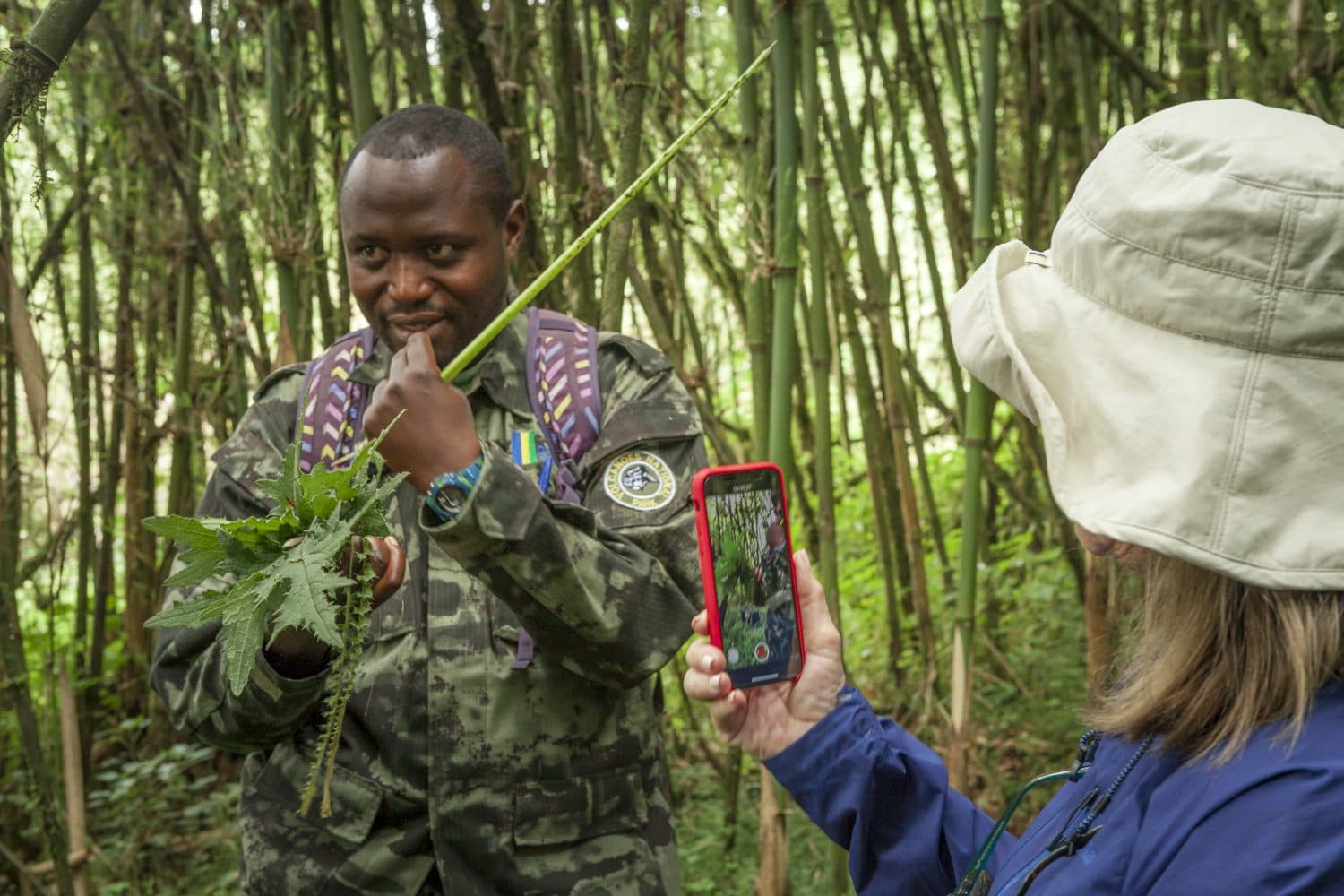
A trek starts with a briefing at the park headquarters in Kinigi. Trackers find the family each morning, and rangers then lead you through bamboo and forest for anything from one to several hours. Once you reach the gorillas you spend one hour with them, watching a silverback, mothers and young ones feed and play. Because trackers know where the family slept, sightings are close to certain.
A permit costs USD 1,500 per person and trekkers must be 15 or older. Our gorilla trekking guide explains a trek day by day, and the 3 day gorilla trekking tour includes the permit.
Golden Monkeys in the Bamboo Forest
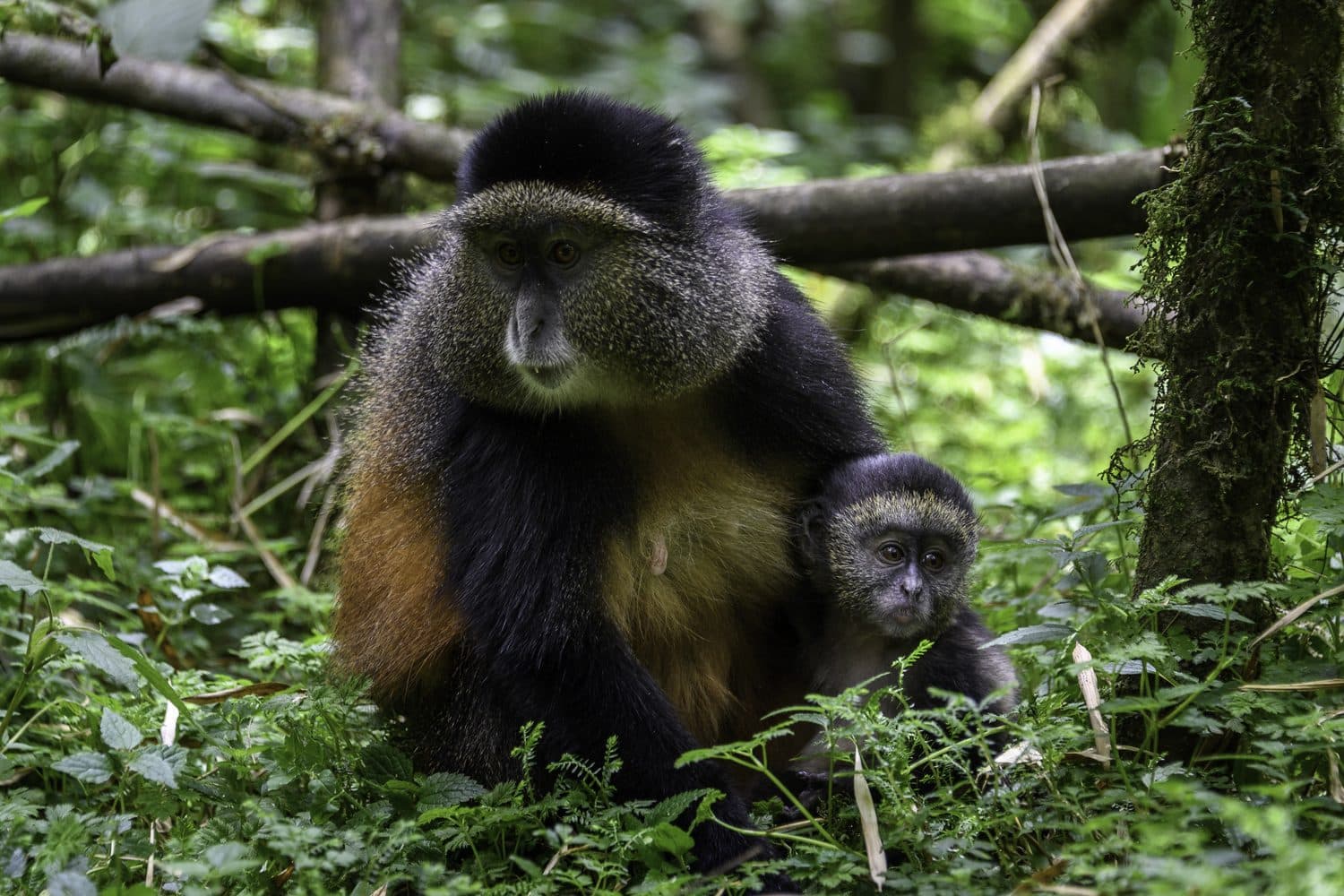
Golden monkeys are an endangered species found only in the Albertine Rift mountains, and Volcanoes National Park is one of the easiest places to see them. They live in large, lively groups in the bamboo zone, jumping between stems and calling to each other.
Golden monkey tracking costs USD 100 and is usually shorter and easier than a gorilla trek, which makes it a good second day in the park. The 4 day gorillas and golden monkeys tour includes both.
 Recommended tour7 day Rwanda safari with gorillas, chimps and the Big Five · 7 daysFrom $3,950 pp
Chimpanzees and 12 Other Primates in Nyungwe Forest
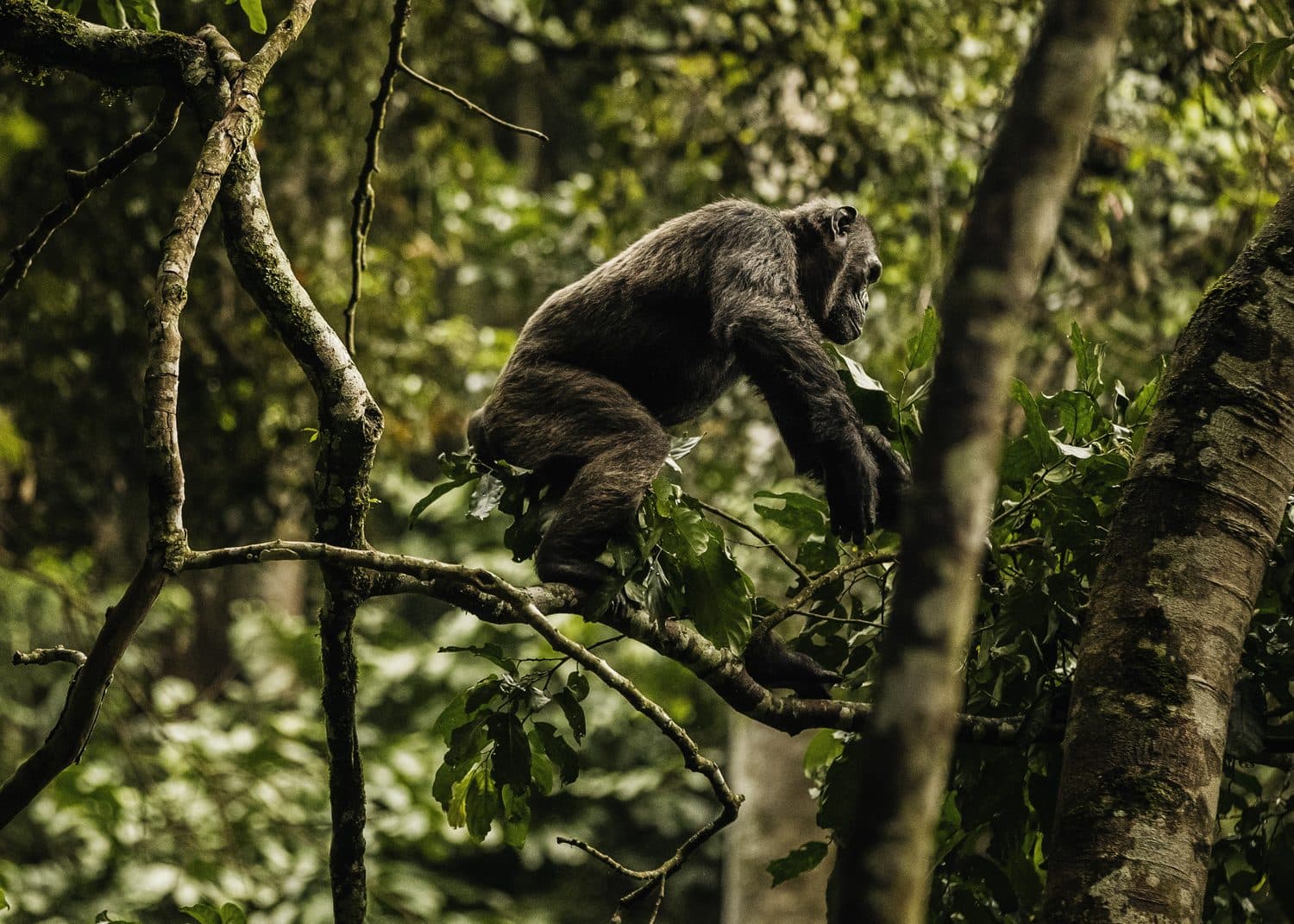
Nyungwe Forest in the south-west is one of the oldest rainforests in Africa and is home to 13 primate species. Chimpanzees are the star. Tracking starts early in the morning with a park ranger, and once you find the group you spend one hour with them. Chimps move quickly through the trees, so sightings are good but less certain than with gorillas.
Nyungwe is also known for Rwenzori black-and-white colobus monkeys, which travel in unusually large troops, as well as L'Hoest's monkeys and grey-cheeked mangabeys. Birders come for about 300 bird species, many of them found only in the Albertine Rift.
Chimpanzee tracking costs USD 150 and is open from age 15. See chimp tracking in Nyungwe or the 3 day Nyungwe Forest tour.
The Big Five on an Akagera Rwanda Safari
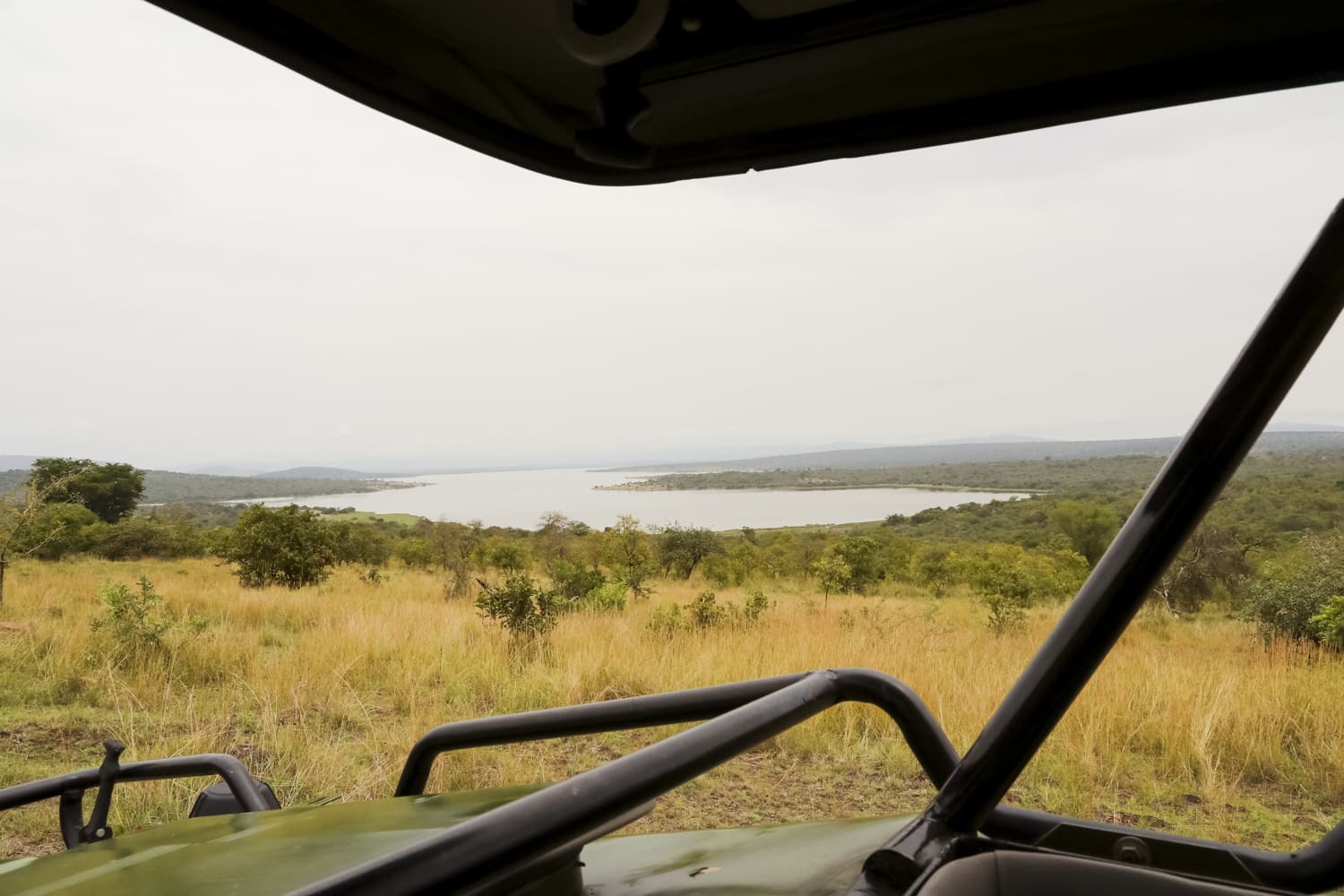
Akagera National Park in the east is Rwanda's only savanna park and the place for classic game drives. Since African Parks began managing it with the Rwanda Development Board in 2010, the park has brought back the animals it had lost, and today it holds all of the Big Five again.
Lions and Leopards
Lions returned to Akagera in 2015, when a small group was moved from South Africa, and their numbers have grown since. The open plains in the north of the park give you the best chance. Leopards are shy and mostly active at night, so a night drive in Akagera is your best chance to see one.
Elephants and Buffalo
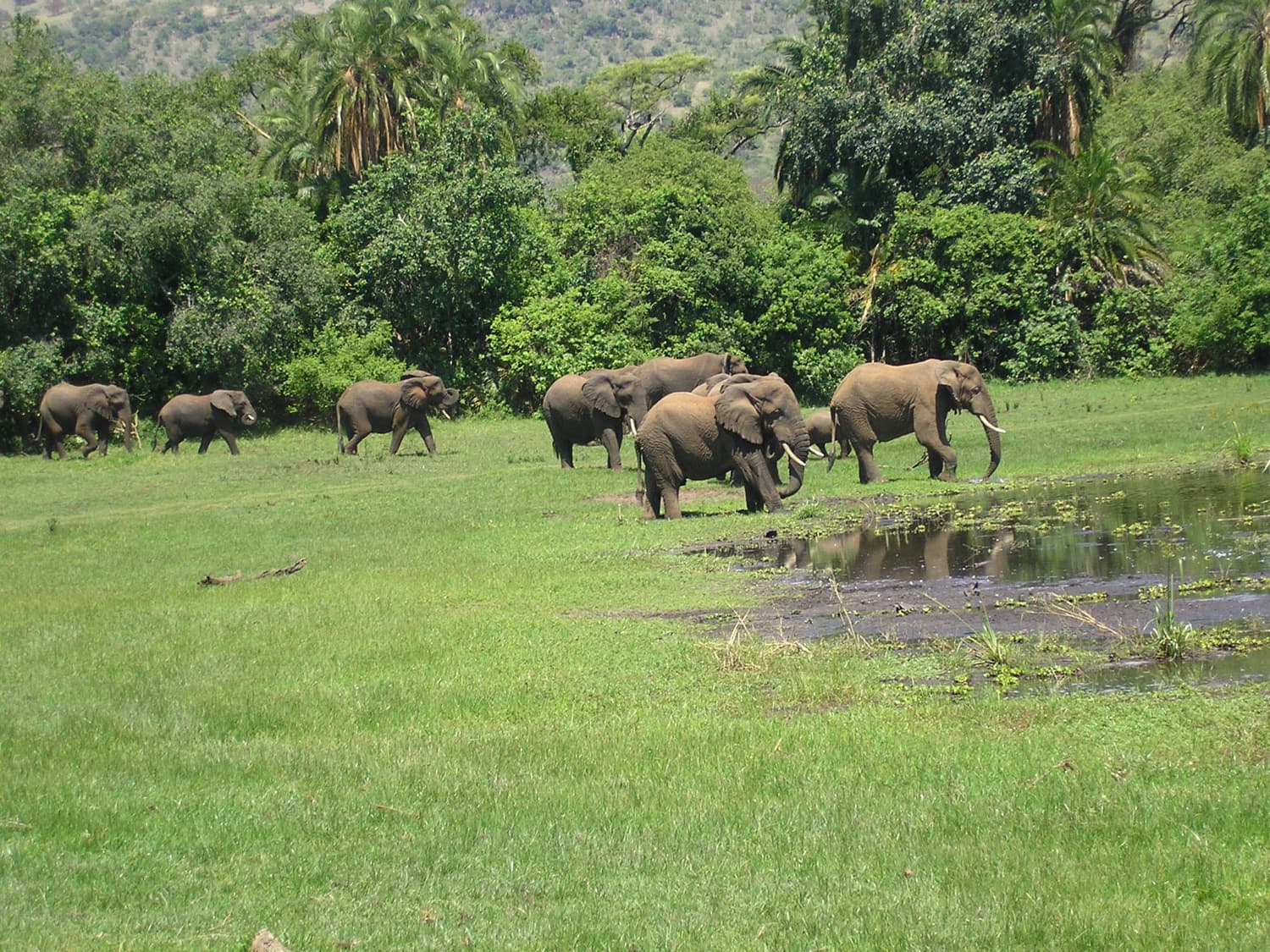
Elephants and buffalo are seen on most full-day game drives, often near the lakes and swamps where they come to drink. Akagera's elephants descend from young elephants brought to the park in the 1970s.
Rhinos
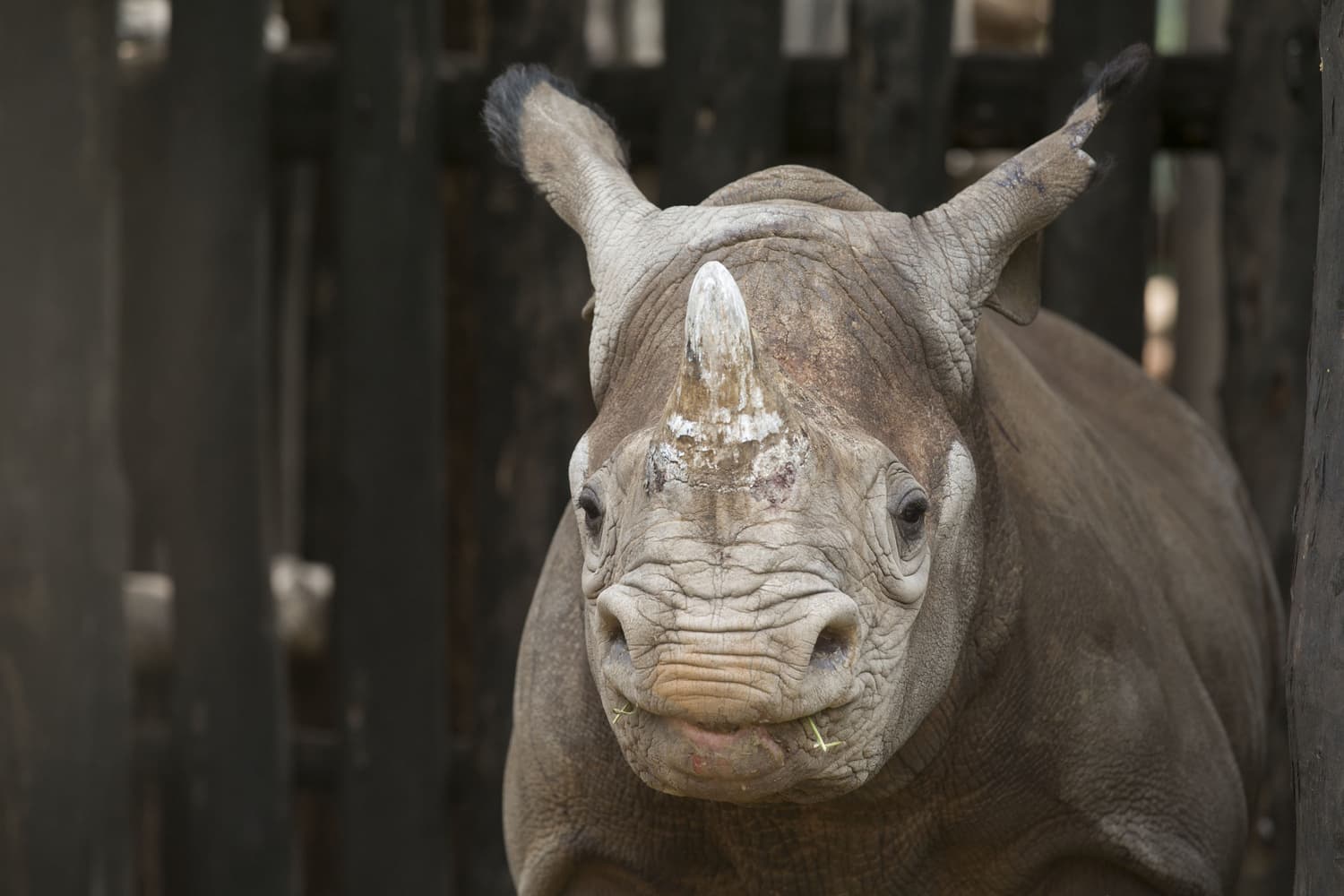
Eastern black rhinos returned to Akagera in 2017, and white rhinos followed in 2021. Rhinos are protected closely and can be harder to find, so ask your guide where they have been seen recently.
Giraffes, Zebras, Hippos and More in Akagera
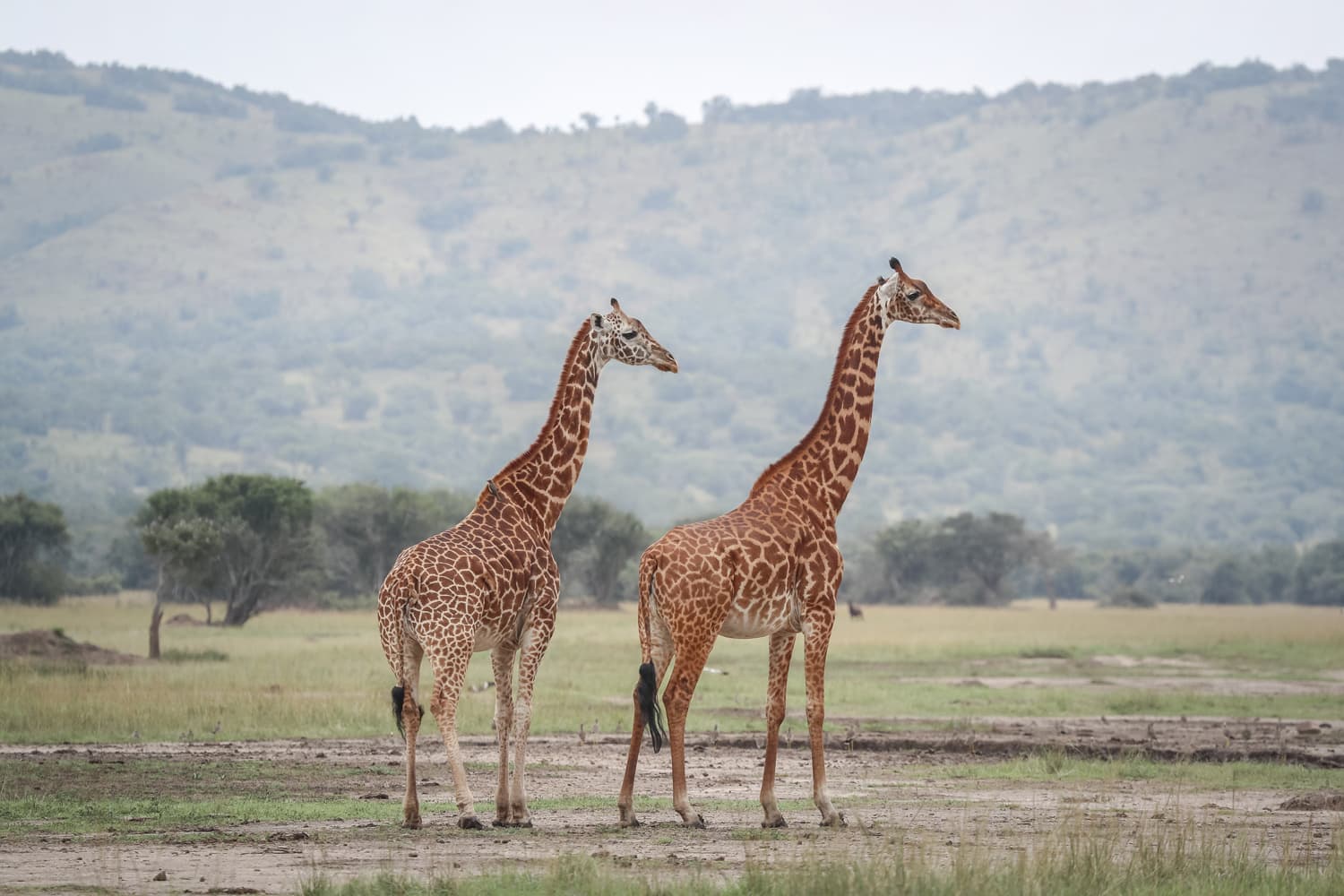
Akagera has much more than the Big Five. Masai giraffes, zebras, impalas, topis, waterbucks and elands graze on the plains, and baboons and vervet monkeys are common near the roads.
Lake Ihema has a large population of hippos, along with big Nile crocodiles and fish eagles. A boat trip on Lake Ihema is the best way to see them up close. Akagera is also a top birding park, with nearly 500 species, and lucky visitors spot the rare shoebill in the swamps.
The 4 day Akagera safari combines a full-day game drive, the boat trip and a night drive, and the Akagera day trip suits a short stay.
Animals You Will Not See on a Rwanda Safari
Rwanda does not have cheetahs, African wild dogs or the great wildebeest migration. If those animals matter to you, add a few days in Kenya or Tanzania. Our 4 day Masai Mara safari follows the migration from July to October, and the 6 day Serengeti and Ngorongoro safari flies from Kigali.
The Best Time to See Animals on a Rwanda Safari
Gorilla and chimp tracking run all year. For Akagera game drives, the dry seasons from June to September and December to February are best, because the grass is shorter and animals gather near water. Our guide to the best time for a Rwanda safari covers every month.
How to See the Most Animals on One Rwanda Safari
To see gorillas, chimps and the Big Five in one trip, plan at least six or seven days. Our 7 day Rwanda safari covers Volcanoes, Nyungwe and Akagera, and the 10 day Rwanda safari adds golden monkeys and Lake Kivu at a slower pace.
Tell us which animals matter most to you through the trip planner, and we will suggest the route with the best chance of seeing them. You can also compare all our Rwanda safari packages.
FAQ
What animals can you see on a Rwanda safari?
Mountain gorillas and golden monkeys in Volcanoes National Park, chimpanzees and colobus monkeys in Nyungwe Forest, and the Big Five plus giraffes, zebras and hippos in Akagera National Park.
Can you see the Big Five in Rwanda?
Yes. Akagera National Park has lions, leopards, elephants, buffalo and rhinos. Elephants and buffalo are seen on most drives, while lions, rhinos and especially leopards take more luck.
Are you sure to see gorillas on a Rwanda safari?
Sightings are close to certain. Trackers find each gorilla family every morning and rangers lead you to it, and you then spend one hour with the gorillas.
Where can I see chimpanzees in Rwanda?
In Nyungwe Forest in the south-west. Chimp tracking starts early in the morning with a park ranger and costs USD 150 per person.
Are there cheetahs in Rwanda?
No. Rwanda has no cheetahs or wild dogs, and no wildebeest migration. Add a few days in Kenya's Masai Mara or Tanzania's Serengeti to see them.
How many days do I need to see Rwanda's animals?
Plan six or seven days to see gorillas, chimps and the Big Five. Three days is enough for gorillas only, and a day trip from Kigali works for Akagera.